The local sea that feeds Bahrain’s most serious hotel tables
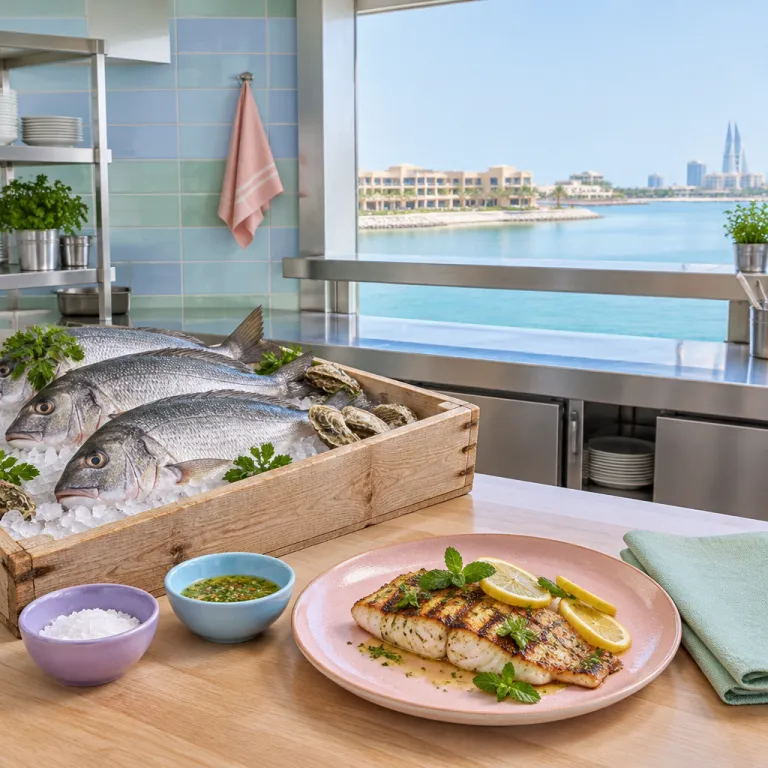
The morning light over Bahrain Bay tells you how closely the city still lives with the sea. Within a short drive of most luxury properties, the fishing boats that shape local food culture are unloading crates of hamour, safi and other Gulf fish that still smell of salt. When a Bahrain hotel seafood restaurant takes this ritual seriously and builds its menu around the local catch, the plate changes completely.
On this island, seafood is not a passing trend but a memory line that runs through family Fridays, seaside grills and late night clam feasts. Couples who care about a real dining experience should ask how often the chef visits the market and which boats supply the hotel kitchens they are considering. At places like Four Seasons Hotel Bahrain Bay or The Ritz-Carlton, Bahrain, the best teams can point to specific captains who land hamour at Manama fish market just after dawn, usually between 5:30 and 7 a.m. If the staff speaks confidently about local seafood, named fishing grounds and why today’s fresh fish is different from yesterday’s, you are in the right place.
Look for menus that read like a tide chart rather than a fixed script. A serious seafood restaurant inside a hotel will adjust the menu when the sea is rough, when blue crab is running strong in late winter or when a particular local catch is off limits for sustainability reasons. As one Bahrain Bay executive chef explained in a recent interview about his sourcing routine, “If the boats stay in, the menu changes by noon.” When restaurants across Bahrain print one seafood menu for the whole season, you can safely assume the fish has travelled farther than you have.
Language is your first filter before you even book the room. A thoughtful Bahrain hotel restaurant that focuses on seafood will name the fish, not just call everything “grilled fillet” or “mixed platter”. When a property talks about local fish, local seafood and the surrounding sea with ease, it signals a kitchen that understands Bahrain rather than a generic Gulf template, and it usually reflects a direct relationship with the morning market.
What sea to table really means in a luxury hotel kitchen
Sea to table in Bahrain is not a slogan, it is logistics and discipline. In the best seafood restaurants inside five star properties, the executive chef or a trusted lieutenant keeps a short, direct line to the market and to specific captains. That is how a Bahrain luxury hotel can promise fresh seafood at lunch or dinner that was still in the water at sunrise.
In practice, this means the dining experience starts long before guests sit down. A committed kitchen will buy whole fish, break it down in house and use bones for stock, trimmings for staff meals and prime cuts for fine dining plates that respect the sea. At a property near Manama fish market, for example, hamour landed at 6 a.m. might be iced and delivered to the hotel by 7:30, trimmed and portioned by 9, then appear as a lunchtime crudo, an evening grilled fillet and a delicate broth for the next day’s tasting menu. When you see a menu that offers grilled, baked and raw expressions of the same local catch, you are watching a team making perfect use of every kilogram.
Technology quietly supports this craft at the premium level. Couples using curated online tools and luxury extras for premium hotel stays in Bahrain can often filter properties by their dining credentials, then cross check how each restaurant venue talks about sourcing and seasonality on its own channels. When a hotel links its reservation system, its gift card offers and its seafood restaurants to a clear sourcing philosophy, that transparency builds trust and helps you distinguish between marketing language and genuine sea to table practice.
Ask direct questions before you book, because serious kitchens will welcome them. A property that truly lives by passion for seafood values will explain which dishes rely on imported fish and which plates showcase the local sea that morning, sometimes even sharing a simple sourcing timeline for the day’s catch. When a reservations agent can connect you with the chef to discuss a special event seafood menu, you are dealing with a hotel that treats gastronomy as a core promise, not a side amenity.
How to read the menu and the room like an insider
Once you are seated, the clues are everywhere if you know where to look. Start with the seafood menu itself, because a thoughtful Bahrain hotel restaurant focused on local catch will write with precision rather than poetry alone. If the menu lists hamour, safi, local fish of the day and even blue crab by name, you are already closer to the boats and to the morning market that supplied them.
Seasonality is the next tell for couples who plan trips around the table. A serious restaurant team in Bahrain will quietly retire a dish when the sea changes, instead of forcing the same delicious seafood combination all year with frozen imports. When the staff can explain why a certain clam preparation only appears in cooler months or why safi is best grilled in early spring, you are hearing the rhythm of the Gulf rather than a corporate script, and you can trust that the kitchen is paying attention to the local sea.
Service language matters as much as kitchen skill. Ask your server where the fresh seafood on your plate was caught and listen for specific answers, not vague references to “the region” or “our supplier”. When a property’s seafood restaurants can name the fishing port, the type of boat and even the time of landing, that level of detail usually reflects a genuine dining experience rather than a staged story, and it mirrors the way independent Bahrain seafood restaurants talk about their own catch.
Do not ignore the room around you either. In hotels that take food culture seriously, you will see couples lingering over lunch or dinner, sharing plates of local seafood instead of rushing back to the mall or the pool. If you are tempted to leave the lobby for chef driven addresses elsewhere in Bahrain, use a curated guide to restaurants across the island to compare how independent kitchens talk about local catch versus the hotel you are considering, then decide how you want to balance polished hotel dining with more casual Bahraini seafood spots.
Terraces, cool evenings and the pleasure of eating the sea outdoors
There is a particular magic to eating seafood outdoors in Bahrain when the heat softens. Hotel terraces along Bahrain Bay and rooftop restaurants facing the open sea become the perfect place for couples to linger over a bottle and a grilled local catch. A well run Bahrain seaside hotel restaurant will time its terrace menu to match the season, the breeze and the fishing calendar, often shifting from heavier stews in cooler months to lighter grilled fish and crudo when evenings are warm.
On these cooler evenings, the rhythm of a meal can stretch in the most pleasant way. Start with something short and bright, perhaps a crudo of local fish or a blue crab salad that shows off the chef’s light touch with citrus and spice. Then move into grilled fillets, a shared clay pot of clam and rice or a whole baked fish that lets the fresh seafood speak without distraction, with sides that echo Bahraini flavours such as saffron rice or grilled local vegetables.
Terrace service also reveals how a property thinks about hospitality beyond the plate. Couples celebrating a special event should ask whether the hotel can arrange a private corner, a customised seafood menu and perhaps a small tasting of local ice cream flavours that echo Bahraini desserts. When a team offers thoughtful touches rather than generic decorations, it signals a house that understands romance as well as food culture and sees the terrace as an extension of the dining room, not just an outdoor seating area.
Some luxury properties pair these evenings with spa or wellness experiences that frame the day. If you are planning a stay where the sea, the table and the treatment room all matter, look for hotel spas in Bahrain that actually deliver on their promises and sit within easy reach of serious seafood restaurants. When the same property can offer a deep tissue massage, a terrace table and a plate of local seafood within a short walk, you have found a base that respects your time as much as your palate and lets you build a whole day around the water.
Practical signals for couples booking a seafood focused Bahrain stay
When you are choosing where to sleep in Bahrain, start by thinking about where you want to eat. A hotel that treats its flagship seafood restaurant as a calling card will usually highlight the chef, the local catch and the dining experience clearly in its materials. If the property barely mentions the sea or its restaurants, you can assume the kitchen is not the main story and that local seafood is unlikely to be a focus.
Look for small but telling details in how the hotel structures its offers. Gift cards that can be used specifically for fine dining, seasonal seafood menus or a special event on the terrace suggest confidence in the restaurant operation. When a property promotes packages that combine rooms, fresh seafood dinners and perhaps a guided visit to a nearby mall or souq, it is signalling that food culture is part of the stay, not an afterthought, and that the hotel expects guests to plan evenings around the table.
Location still matters on an island this compact. Couples who want to eat local seafood every day should consider staying near Bahrain Bay or along the older coastal districts, where access to both traditional seafood restaurants and polished hotel dining rooms is easiest. A strong Bahrain hotel seafood restaurant focused on local catch will often sit within a short taxi ride of the main fish market, which keeps the supply chain tight and the menu honest by allowing chefs to visit the stalls themselves.
Finally, trust your own curiosity once you arrive. Walk past the open kitchen if there is one and notice whether the ice beds hold whole fish, whether the clam buckets look lively and whether the cooks handle the local catch with care. When a team moves with quiet confidence and clear respect for the sea, you are in the hands of professionals who will make the most of Bahrain’s waters, one plate at a time, and turn a simple seafood dinner into the highlight of your stay.
Frequently asked questions
How can I tell if a Bahrain hotel really serves local catch
Ask the staff which fish are local and where they were caught, then listen for specific answers rather than vague regional claims. Check whether the seafood menu changes during the week, because a fixed list all season usually signals imported stock. Finally, look for whole fish on display and daily specials that reference the sea conditions or the morning market, which suggests a direct connection to local fishermen.
Are Bahrain hotel seafood restaurants suitable for a romantic trip
Many luxury properties in Bahrain design their seafood restaurants with couples in mind, offering terrace seating, candlelit tables and tasting menus. When you book, ask about quiet corners, views of the sea and whether the chef can create a special event menu around your preferences. Hotels that respond enthusiastically to these requests usually deliver a more intimate dining experience and are comfortable tailoring the seafood offering to your evening.
Is it better to eat seafood in hotels or independent restaurants in Bahrain
High end hotels often provide polished service, fine dining techniques and easy access from your room, which suits many couples. Independent seafood restaurants can feel closer to everyday Bahraini food culture, especially near the older fishing districts. The best approach is to combine both, using one or two hotel meals to anchor your stay and exploring local places on other nights so you experience the full range of Bahrain seafood traditions.
What types of local fish should I look for on Bahrain hotel menus
Common local fish include hamour, safi and other Gulf species that adapt well to grilling, baking and stewing. When a Bahrain hotel seafood restaurant lists these by name and explains their texture or flavour, it usually reflects a real connection to the sea and to the fishermen who supply them. If you are unsure, ask the server to recommend whichever local catch arrived most recently and how the chef prefers to prepare it.
Do Bahrain hotels cater to dietary restrictions in seafood restaurants
Most premium hotels in Bahrain are accustomed to handling allergies, halal requirements and preferences such as no shellfish. Inform the property when you book and again when you sit down, so the chef can adjust sauces, stocks and garnishes without compromising the fresh seafood. A professional team will offer clear alternatives while still showcasing the character of the local sea and ensuring that every guest can enjoy the dining experience safely.