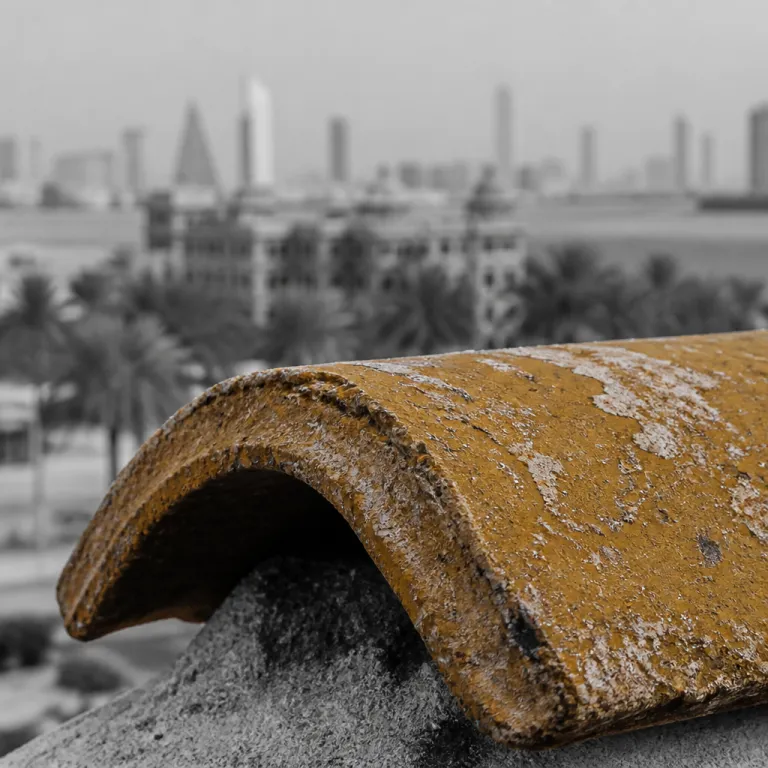
A heritage structure at the heart of Bahrain’s capital
Bahrain’s oldest hotel sits just off the traditional souq in Manama, a modest façade that once signalled modern hospitality for traders arriving from the Gulf and beyond. Long before glass towers lined the waterfront, this Bahrain Hotel offered early visitors running water, ceiling fans and a front desk that felt like a sign of the island’s new confidence. For luxury travelers today, the bahrain oldest hotel restoration is less about thread count and more about understanding how the capital grew from caravan stop to regional hub.
The property, built by Abdul Noor Al Bastaki, became a landmark heritage structure where visiting merchants, pearl dealers and civil servants shared strong coffee and local news. MPs now remind colleagues that “This landmark was not merely a hotel. It was a place bound up with the memories of generations.” When you read that line in the local press or in the Gulf Daily News (often shortened to GDN), you sense why the trustees board of the Bahrain Authority for Culture and Antiquities treats the building as more than another real estate post on a development board.
Years of neglect left the surrounding lanes in poor condition, with one parliamentary voice warning the area had become filled with dirt and rodents, a stark contrast to Bahrain’s polished malls. That decay is precisely why the culture and antiquities team at the Bahrain Authority for Culture and Antiquities, often referred to as BACA, moved to acquire the property and restore heritage value before structural damage became irreversible. For travelers planning a stay in the capital, the bahrain oldest hotel restoration is a clear sign that Manama’s historic core will not be surrendered entirely to parking lots and speculative tourism projects.
The restoration model: public ownership, private operation
The current plan vision is straightforward on paper yet ambitious in practice, pairing public ownership with a private lease and operation model. BACA, acting as guardian of culture and antiquities, will retain the heritage structure while inviting a private partner to deliver strong hospitality standards that meet contemporary expectations. For a luxury guest, that means the soul of the original Bahrain Hotel is preserved, while a professional operator handles the day to day operation with a clear technical plan.
Behind the scenes, officials speak about the need for a financially viable concept that can stand alongside Manama’s established five star addresses. Any tender for the bahrain oldest hotel restoration will need to propose financially robust terms, with a structure proposed that balances room revenue, cultural programming and food and beverage income. The goal is a viable operation that respects the building’s age and layout, instead of forcing a generic tower format onto a low rise footprint in the capital.
Documents shared with the capital trustees and the wider trustees board outline a strong technical framework, from structural stabilization to discreet modern services. The BACA reissue of earlier plans shows how the vision to restore heritage elements now sits within a broader tourism development strategy for Bahrain. When you read these model reports, sometimes summarised as a model read in local coverage, you see a government willing to let a private sector partner deliver high level hospitality while keeping culture and antiquities BACA firmly in charge of the long term plan vision.
What this means for future stays in Manama’s old capital core
For travelers used to booking sea view suites in the Diplomatic Area or Amwaj Islands, the bahrain oldest hotel restoration signals a different kind of luxury. Staying in a restored Bahrain Hotel would place you within walking distance of the Manama souq, the pearling trail and early modern shop houses, rather than behind a highway slip road. It is a subtle but powerful sign that Bahrain wants tourism growth to include heritage stays, not only resort style developments.
Across the Gulf, projects such as Souq Waqif in Doha or the Al Seef waterfront in Dubai have shown how a clear operation model can turn historic districts into financially viable hospitality clusters. Bahrain’s approach is more restrained, with a single heritage structure in the capital used as a test case for how to restore heritage without creating a theme park. If the chosen operator can deliver strong service and maintain viable operation costs, the project could become a reference point for future culture and antiquities led developments in Manama and Muharraq.
For readers comparing options, a stay in a restored Bahrain Hotel would complement time in a contemporary property such as the refined island stays near Manama reviewed on mybahrainstay.com, giving you both skyline and street level perspectives. Over the coming years, watch for a clear sign that the lease has been awarded and that construction hoardings post updated timelines, as these will mark the shift from plan vision to lived guest experience. Until then, the bahrain oldest hotel restoration remains a case study in how a small Gulf state can use a single building to model read a new balance between heritage, hospitality and long term tourism development.
Sources
The Daily Tribune, Gulf Insider, Bahrain Authority for Culture and Antiquities