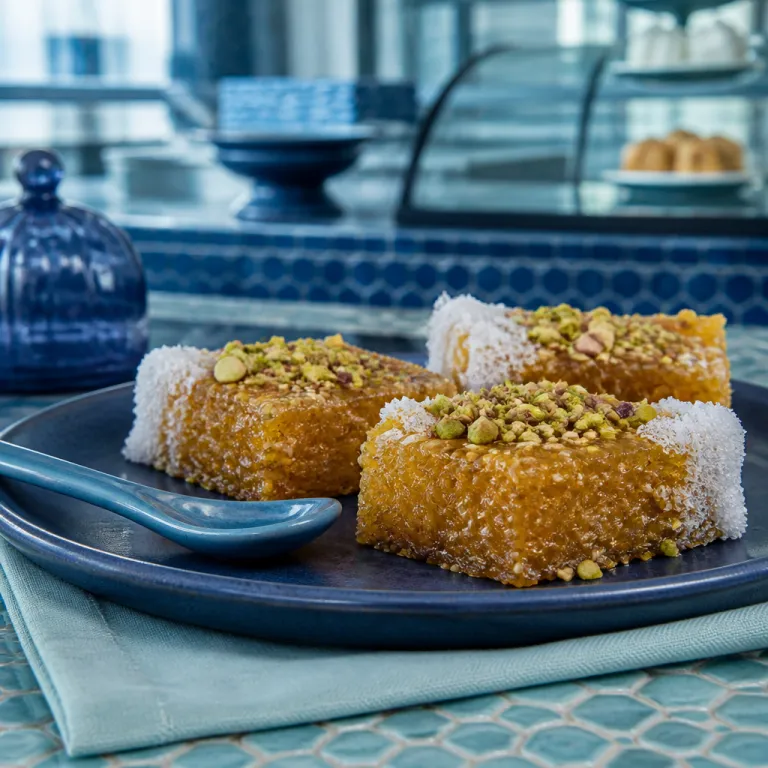
Why bahrain halwa traditional pastry matters for luxury travelers
Bahraini halwa is the quiet test of whether a hotel in Bahrain truly understands its island setting. This bahrain halwa traditional pastry is a translucent, gently elastic sweet cooked from starch, sugar syrup, ghee, nuts and saffron cardamom, then served with Arabic coffee at family gatherings and national celebrations. When a property gets this traditional bahraini dish right, you feel instantly anchored in Manama rather than in a generic Gulf lobby.
Unlike Turkish or Indian versions, bahraini halwa leans on rosewater, saffron and cardamom rather than heavy dairy, so the sweet feels perfumed rather than dense. The best examples balance sugar with spice, folding in dates nuts or roasted mixed nuts so each spoonful offers texture as well as syrupy gloss. For a solo explorer, that first spoon of bahrain halwa traditional pastry in a hotel lounge can be as revealing as any courts check of service standards or any room inspection.
Think of halwa as Bahrain’s edible calling card, a traditional sweet that carries the story of trade routes, pearl merchants and family recipes. In a city where you can buy drones for aerial photography or even specialist FPV drones for bahrain FPV filming, this small copper pan of cooked sugar syrup still signals status and hospitality. When you check Bahrain into your travel plans, you are also stepping into a culture where arabic sweets, coffee and conversation move at a different, more generous pace.
From Muharraq alleys to hotel lounges: tracing the halwa lineage
The halwa trail starts in Muharraq, where the air around the old souq still smells faintly of sugar and saffron. Here, Hussain Mohammed Showaiter Sweets has been shaping bahraini halwa for generations, and the Showaiter family name has become shorthand for traditional bahraini craftsmanship. When you taste their showaiter sweets before checking into a luxury hotel, you set a benchmark that many pastry teams quietly try to match.
In these narrow streets you find trays of glowing halwa, cooked slowly in wide pans until the sugar syrup thickens and the saffron cardamom perfume rises. Staff will often offer a small sweet sample, explaining which dish carries more nuts, which version leans towards dates nuts, and which travels best as a gift. This is where the halwa story begins, long before it appears on a silver tray beside your espresso in a polished Manama lobby.
Back in the capital, traditional sweet shops in Manama’s souq echo the same bahraini halwa heritage, while hotels position themselves along this continuum of authenticity. If you plan a stay near the waterfront, read this guide to where to eat fish in Manama and why it tastes different here, then pair that seafood expertise with a halwa tasting in the same evening. The contrast between a fried fish lunch and a late night of arabic sweets and coffee shows how Bahrain’s culinary identity moves easily from sea to sugar.
How luxury hotels in Bahrain serve, sell and reinterpret halwa
Not every five star property in Bahrain treats halwa with the same respect, and that difference matters if food is central to your trip. Some lounges quietly serve imported arabic sweets that look the part but lack the depth of a true bahrain halwa traditional pastry, while others partner directly with showaiter delights or similar family producers. The most thoughtful hotels understand that offering authentic bahraini halwa is as important as a smooth check in or a well timed courts check for your airport transfer.
Look for properties that name their suppliers, whether that is Hussain Mohammed Showaiter Sweets, Khulood Showaiter Sweets in Muharraq, or another long standing family confectioner. When a hotel team is proud enough to say their halwa comes from a specific showaiter sweets branch, you can usually expect the best balance of sugar, nuts and spice. One verified description captures it clearly for first time visitors : “A traditional sweet made with starch, sugar, nuts, and spices.”
Some hotels go further and weave halwa into plated desserts, turning the traditional bahraini sweet into a modern restaurant finale. Before you book, read this deep dive into what hotel dining often gets wrong about local food in the Bahraini kitchen beyond machboos, then ask how your chosen property handles bahrain halwa traditional pastry. A thoughtful answer, perhaps mentioning a halwa ice cream or a refined halwa fried dumpling, tells you more about the kitchen’s curiosity than any glossy image in a brochure.
Inside the pastry kitchen: chefs, fusion desserts and presentation rituals
Behind the scenes, Bahrain’s hotel pastry kitchens are where tradition meets technique, copper pans meeting combi ovens. At FURN Bistro & Bakery, for example, chefs blend local flavors with Western pastry forms, so a guest might find halwa folded into viennoiserie or layered into a plated dessert beside a restrained sugar syrup drizzle. Ycone Paris at Raffles Bahrain and the Diplomat Radisson Blu Hotel Cake Shop also sit in this space, where bahraini halwa inspires textures, inserts and glazes rather than remaining a single stand alone dish.
Chefs talk about halwa as both an ingredient and a story, something that carries bahrain national memory into a contemporary dessert trolley. A square of traditional bahraini halwa might be paired with a quenelle of cardamom ice cream, or crumbled into a base that supports a light mousse scented with saffron cardamom. When done well, these sweets respect the original cooked confection while offering solo travelers a new way to taste a familiar sweet without overwhelming richness.
Presentation matters almost as much as flavor, especially when halwa is given as a gift at the end of a stay. Many luxury hotels now sell elegant boxes filled with bahraini halwa or assorted arabic sweets, complete with image credits on small cards that explain whether the contents come from Jamal Showaiter, another showaiter delights branch or an in house kitchen. If you like to stay connected with local artisans, ask whether the hotel can arrange a visit to a partner shop, then follow up your tasting with a walk through Manama’s streets where you can check Bahrain’s living food culture at ground level.
Halwa etiquette, gifting rituals and other Bahraini sweets to try
Halwa in Bahrain is rarely eaten alone ; it sits within a wider ritual of coffee, conversation and gifting. When a host offers you a small plate of bahrain halwa traditional pastry, the polite response is to accept at least a spoonful, praising the sweet and the balance of sugar syrup and spice. In more formal settings, especially around bahrain national celebrations, ornate tins of bahraini halwa travel between homes and offices as a sign of respect.
Hotels that understand this etiquette will stock attractive boxes so guests can find a last minute gift without racing back to the souq. Ask the concierge which sweets are best for travel, which versions contain more nuts or dates nuts, and whether the halwa has been cooked that same day for maximum freshness. If you are comparing several properties, this kind of detail can be as decisive as whether a resort has top padel facilities or easy access to padel courts for a match at the end of the afternoon.
Beyond halwa, look for balaleet at breakfast, luqaimat as a warm fried treat in the evening, and khanfaroush as a fragrant, cardamom laced bite. Some hotels now curate tasting flights of arabic sweets, pairing bahraini halwa with these other dishes so guests can check Bahrain’s broader dessert landscape in a single sitting. For a refined island base with easy access to both city dining and traditional confectioners, consider a stay on Amwaj Islands and read this review of refined island stays near Manama before you book.
Choosing your hotel on the halwa trail: practical tips for solo explorers
For a solo traveler, the right hotel can turn halwa from a passing sweet into a thread that runs through the whole stay. Start by shortlisting properties that reference bahrain halwa traditional pastry or other traditional bahraini sweets in their dining descriptions, then cross check those claims with guest reviews that mention breakfast buffets and lounge offerings. A hotel that treats halwa as part of its identity usually pays similar attention to coffee, tea and the quieter details of service.
When you arrive, ask directly where the halwa comes from and how often it is cooked or delivered. If the team mentions Hussain Mohammed Showaiter Sweets, Khulood Showaiter Sweets, Jamal Showaiter or another named family producer, you can give mental credits for transparency and respect for local craft. If the answer is vague, you may still enjoy the sweet, but you will know that the hotel has not fully stepped into Bahrain’s confectionery heritage.
Some travelers now bring compact drones to capture Manama’s skyline or the islands around the city, and a few even travel with FPV drones for bahrain FPV footage of the coast. If that is your style, remember that the most memorable images often come not from the sky but from a simple image of a halwa pan, steam rising, sugar syrup catching the light. As you stay connected to home through photos and messages, those quiet image credits in your mind will probably go to the small shop in Muharraq or the pastry counter that took bahrain halwa traditional pastry seriously.
FAQ
What is Bahraini halwa and how is it different from other halva?
Bahraini halwa is a traditional sweet made with starch, sugar, nuts, and spices, cooked into a glossy, elastic confection. It is flavored with rosewater, saffron and cardamom, which gives a lighter, more perfumed profile than Turkish sesame based halva or Indian flour based versions. In Bahrain it is closely tied to family celebrations and is usually served with Arabic coffee rather than as a heavy standalone dessert.
Where can I buy authentic halwa during a hotel stay in Bahrain?
The most reliable places to buy authentic bahraini halwa are long established sweet shops in Muharraq and Manama, such as Hussain Mohammed Showaiter Sweets and Khulood Showaiter Sweets. Many luxury hotels partner with these family producers, selling boxed halwa at their pastry counters or offering it in welcome amenities. Ask your concierge which branch they recommend and whether they can arrange a short taxi ride to the original shop so you can see the halwa being cooked.
Do luxury hotels in Bahrain usually serve halwa to guests?
Many upscale hotels in Bahrain now include halwa in their culinary offering, either at breakfast, in club lounges or as part of Arabic coffee service. Some properties simply present it as a small sweet alongside other arabic sweets, while others build full desserts around bahraini halwa in their signature restaurants. When you book, you can email the hotel to ask specifically how they serve halwa if this experience is important to your stay.
How should I present halwa as a gift when leaving Bahrain?
Halwa is traditionally given in decorative tins or boxes, often divided into sections for different flavors or nut combinations. For a polished gesture, buy a neatly packed box from a respected producer such as a Showaiter family shop, then ask your hotel to wrap it or add a card. The gift travels well if kept cool and makes a culturally appropriate present for hosts, colleagues or friends at home.
Are there other traditional Bahraini sweets I should try besides halwa?
Yes, Bahrain’s dessert culture extends well beyond halwa and rewards curious travelers. Look for balaleet, a sweet and savory vermicelli and egg breakfast, luqaimat, small fried dough balls soaked in syrup, and khanfaroush, fragrant semolina cakes scented with cardamom. Many hotel buffets and local cafés offer these sweets, so you can sample several in one sitting alongside bahraini halwa.