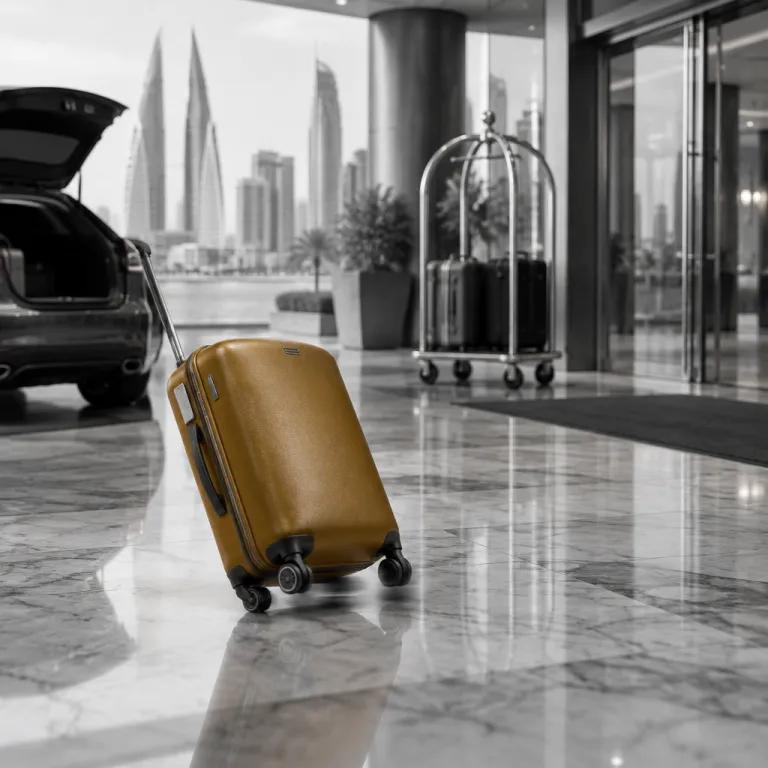
Why Bahrain’s city center is a refined stage for luxury stays
Bahrain offers a rare mix of urban energy and waterfront calm. In the heart of this Gulf country, luxury hotels cluster around Manama’s financial district and Bahrain Bay, creating a compact city center retreat scene. For travelers, this means short transfers, fast access to culture, and a smooth arrival into the middle east.
The Bahraini government has positioned the capital as a premium hospitality hub, using its strong GDP per capita and diversified economy beyond oil to attract international brands. This strategy reflects the country’s role in the Gulf Cooperation Council, where Bahrain competes with larger countries such as Saudi Arabia while leveraging its smaller population and human scale. When you book a city center hotel here, you feel that balance between ambitious development and a more intimate urban fabric.
Manama’s skyline tells the story of century Bahrain, from the old souq to the sleek Bahrain World Trade Center. The city sits on the western edge of the Persian Gulf, facing Saudi Arabia and not far from Iran across the wider Persian basin. That geography has shaped Bahrain as an Arab crossroads, with a history of trade, diplomacy, and cooperation that still influences how the hospitality sector welcomes international guests today.
City center retreats in Bahrain Bay and the financial district
The most coveted city center retreats in Bahrain cluster around Bahrain Bay and the Diplomatic Area. Here, luxury hotels rise directly from the water or stand within a few hundred metres of the shoreline, giving guests sweeping views across the Persian Gulf. You can step from a quiet suite into the financial district within minutes, then return to a calm pool deck before sunset.
One of the most refined options is highlighted in this detailed guide to a city center retreat at Four Seasons Hotel Bahrain Bay, which showcases how a resort style property can still feel deeply urban. This type of hotel reflects how the Bahraini government encourages high end development that supports both business and leisure travelers, reinforcing Bahrain’s position as a stable country for international meetings. Guests benefit from strong security standards, efficient transport links, and a hospitality workforce trained to handle demanding corporate and VIP expectations.
Across these properties, you see how Bahrain’s GDP and reduced dependence on oil revenues translate into real guest experiences, from advanced spa facilities to high tech meeting rooms. The city center hotels cater to a diverse population of visitors from Arab countries, the United States, Europe, and Asia, all drawn by Bahrain’s reputation as a relaxed yet serious financial hub in the middle east. For many repeat guests, the ability to combine waterfront relaxation with quick access to ministries, embassies, and corporate offices is the main reason they return to Bahrain’s city center retreats.
How Bahrain’s history and leadership shape luxury hospitality
Understanding Bahrain’s luxury hotel scene means understanding its modern history. The ruling Al Khalifa family, including figures such as Isa Khalifa bin Isa and King Hamad bin Isa Al Khalifa, has overseen a rapid transformation from a pearl and oil based economy to a diversified service hub. This shift has allowed the country to invest in high quality infrastructure that directly benefits city center hotels.
Under Shaikh Hamad bin Isa and later King Hamad, Bahrain signed the National Action Charter, a political reform framework that aimed to modernize institutions and strengthen cooperation with international partners such as the United Nations. These reforms, while debated and sometimes criticized for alleged rights violations, helped position Bahrain as a more open Arab country for foreign investment, including luxury hospitality. The presence of international hotel brands in Manama’s core reflects that long term strategy, even as discussions about human rights and political participation continue.
The role of the prime minister, historically including members of the Al Khalifa family such as Prince Salman bin Hamad, has also influenced economic policy that supports tourism. Bahrain’s participation in the Gulf Cooperation Council and wider gulf cooperation initiatives with Saudi Arabia and other countries has improved regional connectivity, which is crucial for high end city center retreats. Travelers booking a stay at a property such as the Four Seasons Bahrain Bay city center retreat benefit from this network through frequent regional flights and the King Fahd Causeway link to Saudi Arabia.
Balancing security, human rights, and guest experience
Luxury travelers often ask how Bahrain balances security with comfort. The country hosts important military facilities, including cooperation with the United States and the United Kingdom, which contributes to a strong security presence in and around Manama. For guests staying in city center retreats, this usually translates into discreet but visible protection, controlled access points, and well trained hotel security teams.
Bahrain’s strategic location in the Persian Gulf, close to Iran and Saudi Arabia, makes security a constant priority for the government and for international partners such as the United Nations. At the same time, Bahrain has faced criticism from human rights organizations regarding alleged human rights issues and rights violations, especially during periods of political tension. Travelers should be aware of this context, yet most visitors experience a calm environment where daily life in the city center continues smoothly and hospitality staff focus on human warmth and service.
City center hotels work closely with local authorities to maintain high standards without overwhelming guests with visible controls. This cooperation council style approach between public and private actors reflects Bahrain’s broader gulf cooperation model, where security and economic openness are managed together. For most travelers, the result is a feeling of safety when walking between hotels, malls, and cultural sites, even late in the evening along the waterfront promenades.
Economic context: from oil wealth to diversified urban hospitality
Bahrain was one of the first Gulf countries to discover oil, and that early start shaped its twentieth century trajectory. Over time, however, limited reserves pushed the Bahraini government to diversify faster than some neighbors, investing in finance, services, and tourism. This economic shift is visible in Manama’s city center, where banks, insurance firms, and luxury hotels share the same skyline.
The country’s GDP now relies less on oil revenues and more on sectors that directly support international travel, such as aviation, events, and hospitality. For guests, this means a mature service culture, multilingual staff, and hotels that understand both corporate and leisure expectations. Many city center retreats design packages that combine meeting facilities with spa access, recognizing that their clientele often blends business obligations with personal time in Bahrain.
As an Arab state with a relatively small population, Bahrain can adapt quickly to new travel trends, from wellness focused stays to digital nomad friendly services. The government’s cooperation with other Gulf Cooperation Council countries, especially Saudi Arabia, helps sustain visitor flows even when global conditions shift. When you book a city center hotel here, you are benefiting from decades of economic planning that aimed to keep Bahrain competitive long after its first oil wells declined.
Planning your Bahrain city center stay: practical guidance
Choosing the right city center retreat in Bahrain starts with clarifying your priorities. If you are visiting mainly for business, look for properties within walking distance of the financial district or the Diplomatic Area, where embassies and ministries cluster. Leisure focused travelers may prefer Bahrain Bay or waterfront locations that offer resort style pools while remaining close to shopping and dining.
Many international guests combine a few nights in a city center hotel with an escape to quieter coastal areas, such as the Hawar Islands in Bahrain’s wild south. A detailed guide to serene beachfront escapes in Bahrain’s south shows how easily you can pair urban sophistication with remote nature. This mix reflects Bahrain’s dual identity as a modern Arab financial hub and a country with protected marine environments in the wider Persian Gulf.
When planning, consider seasonal temperatures, which can exceed 40 °C in peak summer, and choose hotels with shaded pools and strong air conditioning. Check visa requirements, which vary by nationality and may involve eVisas or on arrival options, often facilitated by Bahrain’s cooperation with the United Nations and other international bodies. Finally, pay attention to local events, as major conferences or Formula 1 weekends can fill city center hotels quickly and raise rates across Manama.
Cultural context and what it means for respectful luxury travel
Bahrain is an Arab monarchy with a long history linked to the Bani Utbah tribal confederation, which brought the Al Khalifa family to power in the eighteenth century. This heritage still shapes national identity, even as the country engages closely with the United States, the United Kingdom, and other international partners. Guests staying in city center retreats will notice portraits of King Hamad bin Isa Al Khalifa and other leaders such as Shaikh Hamad and senior bin Hamad family members in public spaces.
The country’s political evolution, including the National Action Charter and debates about human rights, has created a complex public conversation that visitors may glimpse in local media. While discussions about rights violations and reforms continue, everyday life in Manama remains focused on commerce, education, and hospitality. Travelers who show respect for local customs, such as modest dress in traditional areas and sensitivity during religious occasions, usually find Bahrainis warm and welcoming.
Staying in a city center hotel gives you easy access to museums, mosques, and historic sites that explain how century Bahrain moved from a pearling economy to a modern service hub on the Persian Gulf. You can visit the Bahrain National Museum to understand the country’s relationship with neighboring countries such as Iran and Saudi Arabia, then return to your hotel for a refined dinner overlooking the illuminated skyline. This blend of cultural depth and contemporary comfort is what makes a Bahrain city center retreat particularly appealing for thoughtful luxury travelers.
Key figures shaping Bahrain’s city center hospitality
- Bahrain’s population is around 1.5 million people, with roughly half being non nationals, which creates a highly international guest and workforce mix in city center hotels (source: Bahrain Information & eGovernment Authority).
- Services account for more than 60 percent of Bahrain’s GDP, while oil and gas contribute less than 20 percent, underlining how diversified the economy behind Manama’s luxury hospitality sector has become (source: Bahrain Economic Development Board).
- Bahrain welcomed over 9 million visitors in a recent pre pandemic year, with a large share arriving via the King Fahd Causeway from Saudi Arabia, which directly supports occupancy in city center retreats (source: Bahrain Tourism and Exhibitions Authority).
- The financial sector contributes around 17 percent of Bahrain’s GDP, and many of these institutions are located in Manama’s Diplomatic Area and Bahrain Bay, driving strong corporate demand for premium city center hotels (source: Central Bank of Bahrain).
- Bahrain ranks among the higher scoring countries in the middle east on several human development indicators, which correlates with advanced infrastructure and service quality in its urban hospitality market (source: United Nations Development Programme).
FAQ about Bahrain city center luxury stays
Is Bahrain safe for guests staying in city center hotels ?
Bahrain maintains a strong security framework, partly due to its strategic location in the Persian Gulf and its cooperation with the United States and other allies. City center hotels work closely with authorities to implement discreet but effective security measures. Most visitors report feeling safe walking between hotels, malls, and dining areas in Manama.
Which areas are best for a luxury city center stay in Bahrain ?
The top areas for luxury city center retreats are Bahrain Bay, the Diplomatic Area, and the broader financial district in Manama. These neighborhoods combine waterfront views, easy access to ministries and corporate offices, and short driving times to the airport. Many of Bahrain’s most prestigious international hotel brands are concentrated in these zones.
How many days should I plan for a Bahrain city center trip ?
For a focused city center stay, two to three nights are usually enough to explore Manama’s main attractions. If you want to add coastal or island experiences, consider extending to four or five nights. This allows time for museum visits, shopping, fine dining, and a day trip to quieter beaches or the Hawar Islands.
What is the best time of year to book a Bahrain city center hotel ?
The most comfortable months for walking around the city center are from late autumn to early spring, when daytime temperatures are milder. During peak summer, many guests rely on air conditioned transfers and spend more time indoors or by shaded pools. Major events such as Formula 1 can drive up prices, so booking early for those periods is advisable.
Do Bahrain city center hotels cater well to international business travelers ?
Yes, Manama’s city center hotels are strongly oriented toward international business travelers, reflecting Bahrain’s role as a regional financial hub. Properties typically offer high speed connectivity, well equipped meeting rooms, and multilingual staff familiar with corporate protocols. Proximity to ministries, banks, and embassies makes these hotels particularly efficient bases for short business trips.
Trusted references for further reading : Bahrain Economic Development Board, Bahrain Tourism and Exhibitions Authority, United Nations Development Programme.