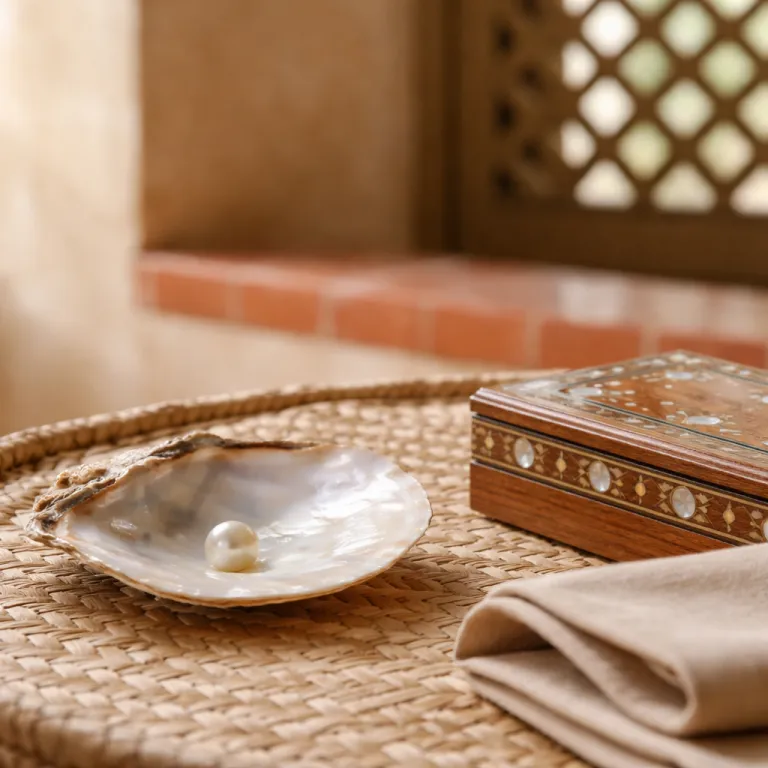
Heritage hotels in Bahrain for travellers who want a sense of place
Heritage hotels in Bahrain appeal to travellers who want more than a polished tower room. These characterful stays fold the island’s pearling past into contemporary luxury, so your time here feels anchored in real streets, real courtyards, and the soft echo of the souq. For couples planning a romantic escape, this blend of history and comfort turns a simple hotel night into a sequence of layered experiences.
Start with Nuzul Al Salam Hotel in Muharraq, one of the clearest expressions of a restored Bahraini townhouse currently open to guests. The property occupies Fathallah House on the Pearling Path, and every room frames traditional architecture with modern comfort rather than museum stiffness. According to the Bahrain Authority for Culture and Antiquities, the house was rehabilitated as part of the Pearling, Testimony of an Island Economy project and opened to visitors in late 2019, after a multi-year conservation effort.
Nuzul Al Salam is frequently described by Bahrain’s culture authorities as the first boutique hotel located within the UNESCO World Heritage property “Pearling, Testimony of an Island Economy,” and that status matters. It signals a serious restoration effort, backed by the Bahrain Authority for Culture and Antiquities and partners from the UAE, rather than a quick cosmetic makeover. Official material notes that “Nuzul Al Salam Hotel opened in October 2019” following a careful restoration that respected the original layout and decorative details.
The restoration of this heritage stay used traditional materials where possible, then layered in discreet technology. Coral stone walls, timber beams, and lime-based plasters were stabilised, while each room now offers reliable Wi‑Fi, comfortable bedding, and quiet air conditioning that respects the old structure. With only a small number of keys – fewer than a dozen rooms and suites – couples who usually default to a large resort or international brand often find that one or two nights here recalibrate what luxury in Bahrain can feel like.
Staying in Muharraq also changes how you experience Manama and the wider Middle East. You are roughly ten to fifteen minutes by car from central Manama in normal traffic, yet the rhythm is slower and more local. From this base you can still reach every major luxury resort, spa, and private beach club, but you return at night to carved doors, coral stone, and the call of a neighbourhood rather than a highway.
From pearling path to palace stays: how heritage and luxury meet
To understand Bahrain’s historic hotels properly, you need to walk the Pearling Path in Muharraq. This roughly three kilometre trail, documented by UNESCO as linking oyster beds, seafront structures, and merchant houses, connects restored residences, mosques, and coastal buildings that once anchored the pearl trade, and Nuzul Al Salam sits directly on this route. Staying here turns a standard travel guide recommendation into something lived, because you wake up where merchants once counted pearls and negotiated prices.
The Pearling Path’s World Heritage listing covers more than a dozen key buildings and urban ensembles, and several have been adapted for cultural programming rather than overnight guests. That makes Nuzul Al Salam unusual among period properties, since it balances preservation with the intimacy of a small hotel. You are not just visiting a site during opening hours, you are moving through its courtyard at dawn and returning to your room after dinner in Manama.
For couples used to the polished certainty of a resort or palace-style hotel, this can feel like a shift. There is no vast pool complex or sprawling kids’ club here, and large-scale meetings and events facilities are intentionally absent. Instead, the luxury lies in quiet, in proportion, and in the way your room opens onto a shared courtyard where the architecture does most of the talking.
This is where pairing comes in, and where a smart luxury and premium hotel booking strategy for Bahrain pays off. Spend two or three nights in Muharraq at a heritage address, then move to a larger resort in Manama or the Seef district for the full spa, pool, and private beach experience. Treat the first phase as immersion in Bahrain’s trading history and the second as a restorative retreat, rather than trying to make one property do everything.
Think of it as a dialogue between eras rather than a compromise. Traditional guesthouses give you the scale of a merchant house, while a palace-style resort delivers the full club lounge, suites, and beach club energy. Together they create a Bahrain itinerary that feels both rooted and indulgent, instead of interchangeable with any other Middle East city break.
How Bahrain’s big luxury names weave in heritage cues
Most travellers searching for historic accommodation will still encounter the major international names first. Properties such as The Ritz-Carlton, Bahrain in Manama, the palace-style resorts near Zallaq, and the new generation of branded hotels in the Seef district dominate search results. The question is not whether these hotels offer luxury, but how successfully they integrate Bahrain’s own story into that luxury.
The Ritz-Carlton, Bahrain, often shortened by guests to simply the Ritz, sits on a private beach with manicured gardens and a generous pool layout. Inside, rooms and suites follow an international template, yet you will notice Bahraini art, local motifs, and occasional references to the island’s maritime history. For many couples, this Manama hotel works best as the second half of a trip that begins in Muharraq, because it delivers the full spa, club lounge, and meetings and events infrastructure.
Further along the coast, palace-style resorts such as Areen Palace & Spa and the Raffles Al Areen complex lean into the idea of a desert palace Bahrain escape. Here, private pool villas, extensive spa facilities, and long stretches of private beach create a self-contained world that still sits within easy reach of Manama. When you book these resorts after a stay in a heritage townhouse, the contrast between intimate merchant house and expansive palace becomes part of your travel narrative.
Raffles Al Areen Bahrain, sometimes referred to as Bahrain Raffles in travel forums, positions itself as a sanctuary where Middle East design cues meet contemporary comfort. Expect high-ceilinged rooms and suites, polished dining venues, and a strong focus on curated experiences for guests who may never leave the resort. The key for heritage-minded travellers is to treat these stays as a luxurious counterpoint, not a replacement, for time spent in Muharraq’s older streets.
Even city properties such as The Merchant House in downtown Manama play with heritage in subtle ways. This hotel stands near Bab Al Bahrain, the historic gateway to the old souq, and its art collection nods to local culture while the rooftop Indigo Terrace offers views across the city. Used alongside a night or two on the Pearling Path, it helps you keep one foot in Bahrain’s trading past while enjoying a fully serviced urban hotel.
Rooms, suites, and the heritage checklist: what to expect
When travellers search for heritage hotels Bahrain, they often worry about comfort. Will the room feel as refined as a palace resort, and will the spa, pool, and dining options meet the expectations set by brands such as The Ritz-Carlton or Raffles Al Areen? The short answer is that the best historic stays deliver comfort differently, but not less convincingly.
At Nuzul Al Salam Hotel, for example, rooms and suites are shaped by the original footprint of Fathallah House. You will not find identical rows of rooms and suites, but rather a series of individually proportioned spaces that borrow light from courtyards and carved windows. Bathrooms are modern, beds are generous, and the overall feeling is of a carefully restored home rather than a standardised hotel corridor.
Service follows the same pattern, with a smaller équipe that knows each guest by name. There may not be a full-scale spa or a sprawling beach club, yet staff can arrange transfers to Manama’s luxury resorts if you want a day of pool and private beach relaxation. One manager described the approach simply in a local interview: “We want guests to feel they are staying in a Bahraini home, with hotel-level comfort.” Many couples choose to spend their heritage hotel days exploring Muharraq on foot, then head into Manama for dinner or a hammam-style spa treatment.
By contrast, palace Bahrain resorts such as Areen Palace & Spa and the Raffles Al Areen complex are built around the amenities list. Here you can move from a large central pool to a quiet spa suite, then on to a private beach cabana without ever leaving the property. These hotels also cater to families, with kids’ club facilities and extensive meetings and events spaces that sit alongside the more romantic corners couples tend to seek.
If you want a coastal stay that still feels connected to the island’s story, consider a refined resort spa such as Lagoona Beach, which is often highlighted in regional travel media as a luxury resort spa with a strong sense of place. Pairing a few nights there with time in Muharraq gives you both the sea-facing resort experience and the heritage hotel intimacy. The key is to be deliberate when you book, treating each room choice as part of a wider Bahrain narrative rather than a standalone decision.
Design, dining, and honest limits of heritage branding
Not every property that markets itself under the heritage hotels Bahrain umbrella truly earns the label. Some hotels in Manama or the Seef district add a few mashrabiya panels, hang archival photographs, and call the result heritage-inspired luxury. As a traveller, you need to look past the brochure language and ask how deeply the hotel is actually embedded in a historic building, neighbourhood, or cultural programme.
Dining is a useful lens here, because menus often reveal how seriously a property takes its local context. At The Merchant House near Bab Al Bahrain, for example, the Indigo Terrace restaurant mixes international dishes with Bahraini touches, and the setting encourages you to step out into the old souq before or after your meal. By contrast, some palace-style resorts focus almost entirely on global cuisine, which is perfectly valid, but less helpful if you want your dining experiences to echo the island’s history.
Design details also matter when you are choosing between heritage hotels in Bahrain and more generic luxury resorts. In Muharraq, restored merchant houses such as Nuzul Al Salam use coral stone, traditional wooden doors, and shaded courtyards that respond to the climate rather than fighting it. Large resorts like The Ritz-Carlton, Bahrain, while impeccably serviced, inevitably rely more on international design language, even when they incorporate regional motifs.
There is also a limit to how much heritage you may actually want in your room. Some couples prefer to sleep in a perfectly insulated suite at a resort such as Bahrain Raffles, then spend their days exploring the Pearling Path and other cultural landmarks. Others feel more connected when the creak of an old staircase or the proportions of a merchant house room become part of their nightly routine.
The honest advice is to mix, match, and ignore marketing that does not align with what you see on a map. If a hotel claims heritage status yet sits far from Muharraq, Bab Al Bahrain, or other historic districts, treat it as a comfortable base rather than a heritage hotel in the strict sense. Use your booking choices to create a layered Bahrain stay, where palace resorts, city hotels, and true heritage properties each play a distinct role in your journey.
Practical pairing itineraries for couples: from Muharraq alleys to palace pools
For couples planning a romantic trip and searching for heritage hotels Bahrain, the most rewarding approach is to design a two-centre stay. Begin with two or three nights in Muharraq at a property such as Nuzul Al Salam, where your room opens onto courtyards and narrow lanes instead of a highway. Use this time to walk the Pearling Path, visit restored merchant houses, and feel how Bahrain’s trading history still shapes daily life.
From there, transfer to Manama or the Seef district for a contrasting phase built around spa time, pool days, and private beach relaxation. Options range from The Ritz-Carlton, Bahrain, with its extensive beach club and club lounge, to palace-style resorts such as Areen Palace & Spa or Raffles Al Areen that offer villa-style suites and strong privacy. Families travelling with children might prioritise a resort with a well-run kids’ club, while couples can focus on adults-oriented dining and quieter corners of the property.
If you prefer an urban finish, consider a stay at The Merchant House near Bab Al Bahrain, where the Indigo Terrace rooftop gives you a final city panorama. This kind of itinerary lets you experience both heritage hotels in Bahrain and contemporary luxury hotels without feeling rushed or over-scheduled. You move from Muharraq’s alleys to palace pools in a single trip, yet each phase feels coherent and intentional.
When you book, pay attention to transfer times between Muharraq, Manama, and the main resort clusters. Distances are short, usually under thirty minutes by car in typical traffic according to local tourism guidance, which makes it easy to combine meetings and events in the city with evenings in a heritage hotel or mornings on a private beach. This compact geography is one of Bahrain’s quiet luxuries, especially for couples balancing work and leisure.
Finally, remember that the most meaningful experiences often happen in the spaces between headline attractions. A conversation with a Muharraq café owner, a sunset walk near Bab Al Bahrain, or a late swim at a palace Bahrain resort pool can all become anchors in your memory. Choose hotels that respect this rhythm, and your time among Bahrain’s heritage hotels, city towers, and coastal resorts will feel like a single, well-edited story.
FAQ about heritage hotels and luxury stays in Bahrain
What is Nuzul Al Salam Hotel and why is it significant ?
Nuzul Al Salam Hotel is a heritage hotel in Muharraq, housed in the restored Fathallah House on the Pearling Path. It is widely recognised by Bahrain’s culture authorities as the first hotel located directly within this UNESCO-listed World Heritage property, which makes it central to any serious heritage hotels Bahrain itinerary. The property combines traditional Bahraini architecture with modern comforts, offering a rare chance to sleep inside a historic merchant house.
How many days should couples spend in a heritage hotel in Bahrain ?
Most couples find that two or three nights in a heritage hotel such as Nuzul Al Salam strike the right balance between immersion and comfort. This allows enough time to walk the Pearling Path, visit nearby cultural centres, and explore Muharraq’s streets without rushing. You can then move to a larger resort or city hotel for the rest of your stay.
Can I combine a heritage stay with a luxury beach resort in Bahrain ?
Yes, combining heritage hotels Bahrain with a luxury beach resort is one of the island’s strongest itineraries. Distances between Muharraq, Manama, and the main resort areas are short, so transfers rarely exceed thirty minutes in normal conditions. Many travellers start in Muharraq, then shift to a resort such as The Ritz-Carlton, Bahrain, Areen Palace & Spa, or Raffles Al Areen for spa time and private beach access.
Are heritage hotels in Bahrain suitable for meetings and events ?
Most true heritage hotels in Bahrain are intimate properties housed in restored buildings, so they are not designed for large meetings and events. They can, however, work well for small executive retreats, private celebrations, or creative workshops that benefit from a historic setting. For larger conferences or corporate gatherings, it is better to use city hotels or palace-style resorts and keep heritage stays for leisure days.
Is it necessary to book heritage hotels in Bahrain far in advance ?
Because heritage hotels Bahrain tend to have fewer rooms than large resorts, booking in advance is strongly recommended. This is especially true if you are travelling over regional holidays or planning a specific anniversary or celebration. Early booking also gives you more flexibility to pair your heritage stay with a preferred resort or city hotel for the rest of your trip.
References
Bahrain Authority for Culture and Antiquities ; UNESCO World Heritage Centre ; Shaikh Ebrahim Centre for Culture and Research ; official hotel communications for Nuzul Al Salam, The Ritz-Carlton, Bahrain, Raffles Al Areen, Areen Palace & Spa, Lagoona Beach, and The Merchant House.