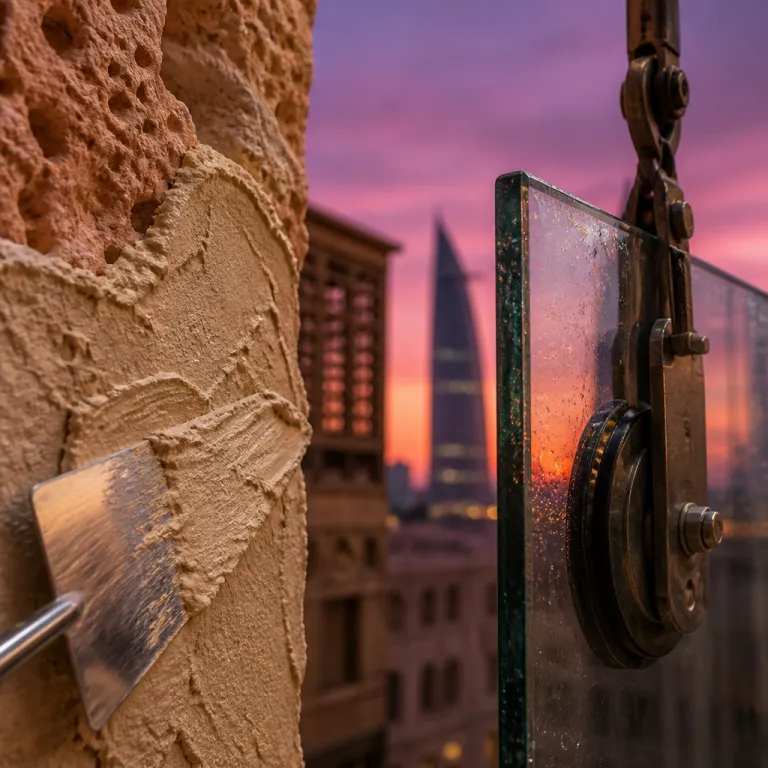
How bahrain hotel design restored heritage became a quiet revolution
Bahrain is the Gulf island where hotel architecture reads like a layered archive. The phrase bahrain hotel design restored heritage is not marketing fluff here, because the island’s planners and hoteliers have treated old houses and new towers as parts of one long narrative. When you book a hotel in Bahrain today, you are choosing how closely you want to sleep beside that story.
The government backed restoration of the Bahrain Hotel, widely recognised as the oldest hotel in the kingdom, shows how policy now treats hospitality as cultural infrastructure rather than just real estate. In official material you will see lines such as “Which is Bahrain's oldest hotel? Bahrain Hotel, currently under restoration.”, and that single sentence signals how a modest city property can anchor a national project of memory. For travellers, this means that a future stay in a hotel restored from this landmark will feel less like a generic night and more like a carefully edited post from Bahrain’s urban past.
Across Manama and Muharraq, you will notice that every luxury property makes a design choice between echoing the sea facing pearling houses or joining the glass and steel skyline. This tension defines the current wave of luxury hospitality, and it is why the main keyword bahrain hotel design restored heritage keeps appearing in serious design magazine coverage rather than only in tourism brochures. When you read about new hotels here, you are really reading about how a small kingdom negotiates its long term identity through architecture.
The Muharraq model: restored houses, central courtyards and human scale stays
Walk into Muharraq Bahrain and the contrast with Manama’s towers is immediate. Narrow lanes, coral stone walls and the occasional open house with a central courtyard tell you that this was once the beating heart of the pearling economy, and that any bahrain hotel design restored heritage project here must work with those proportions. For a solo traveller, this district offers the most intimate way to understand how hospitality grew out of domestic architecture.
Properties such as Nuzul Al Salam, often shortened in conversation to Nuzul Salam, show how a heritage house can become a refined hotel muharraq without losing its soul. Rooms cluster around a central courtyard where the sound of the call to prayer drifts over carved wooden mashrabiya, and the design language feels closer to a family house than a resort. This is where the idea of bahrain hotel design restored heritage becomes tangible, because every plaster repair and timber beam has been part of a careful hotel restored process rather than a cosmetic facelift.
The planned transformation of the Bahrain Hotel into either a heritage property or cultural centre, overseen by the Bahrain Authority for Culture and Antiquities, extends this Muharraq logic into central Manama. If you want to understand what this means for future stays, read the detailed analysis in this piece on Bahrain’s oldest hotel and its new chapter. For travellers choosing between hotels, the key takeaway is simple ; a restored house in Muharraq Bahrain will give you textured, human paced luxury, while a tower in the capital will offer scale, views and a very different rhythm.
Manama’s towers: from four seasons bay icons to digital first resorts
Across the water in Manama, the skyline tells another side of the bahrain hotel design restored heritage equation. The Four Seasons Hotel Bahrain Bay, designed by Skidmore, Owings & Merrill and rising to around 200 metres, is the clearest example of how an international architect can translate local cues into a modernist tower. Its sculpted form nods to traditional wind towers while the interiors lean into contemporary luxury, proving that a bahrain hotel does not need to mimic an old house to honour heritage.
Further along the coast, the Bilaj Al Jazayer project introduces a new resort cluster where two very different hotels interpret the same stretch of sea. Tivoli Bilaj Al Jazayer leans into explicitly Arabian inspired design, with arches, shaded walkways and materials that reference desert light, while Avani Bilaj Al Jazayer takes a contemporary style with digital first connectivity approach that feels closer to a lifestyle hotel than a classic resort. For guests, this means you can choose whether your stay near the sea feels like a modern majlis or a streamlined, app driven base.
If you are curious about how these towers sit within the wider cityscape, the walking guide on Arabian arches and glass façades in Bahrain’s hotel architecture is worth a careful read. It shows how Manama’s hotels, from the Four Seasons to smaller properties near the souq, form a kind of open air design magazine where every façade is a post in an ongoing conversation between heritage and futurism. For the solo explorer, this makes even a short city stay feel like an informal architecture tour.
Inside the walls: materials, interiors and the feel of a stay
Once you step past the lobby, the real test of any bahrain hotel design restored heritage ambition lies in the materials under your feet and the light on your walls. In Muharraq, restored houses tend to use coral stone, lime plaster and timber ceilings, which keep rooms cool and give hotel guests a tactile sense of age. In Manama’s towers and new resorts, imported marble, glass and engineered woods dominate, creating a different kind of luxury that is more about precision than patina.
Studio Anne Holtrop’s work on Murad House, now transformed into a high design hotel in Muharraq, is often cited in architecture circles as a benchmark for sensitive restoration. The project shows how a hotel restored from a modest house can still feel like a luxury property when the design thinking is rigorous, and it underlines why bahrain hotel design restored heritage has become a reference phrase in regional hospitality debates. By contrast, some sea facing resorts on Amwaj and Diyar Al Muharraq use a global palette of glass balustrades and pale stone, relying on the water views rather than interior character to carry the stay.
Guest experience follows these material choices closely, because architecture shapes how you move, sleep and socialise. A central courtyard in a Muharraq house encourages slow mornings and neighbourly encounters, while a sky lobby in a Manama tower frames the city as spectacle from the moment you check in. If you want a deeper breakdown of room types and layouts before you book, the guide to elegant hotel rooms in Bahrain for refined city and beach stays is a useful read that adds practical detail to the design conversation.
The next wave: where Bahrain’s hotel architecture is heading
Looking ahead, the most interesting question for bahrain hotel design restored heritage is how new projects will balance memory and innovation. The Bilaj Al Jazayer development, with its twin Tivoli and Avani resorts, suggests that operators see value in offering both Arabian inspired and contemporary digital first interpretations of the same coastline. On the northern shore, planned openings such as Meliá Amwaj indicate that international brands will keep testing how far they can stretch their global design language to fit Bahrain’s specific light, climate and cultural references.
Government backed restoration of the Bahrain Hotel and other heritage properties signals that adaptive reuse will remain a central strategy, not a passing trend. Official timelines note milestones such as “2015: Four Seasons Hotel Bahrain Bay opens.” and “2025: Murad Boutique Hotel opens.”, placing restored houses and modernist towers on the same historical line. For travellers, this means that future hotel choices will likely expand at both ends of the spectrum, from intimate heritage stays in Muharraq to large scale resorts along the sea.
For a solo explorer planning a long term relationship with the island, the smartest move is to treat each stay as a new chapter in understanding Bahrain’s architectural story. One trip might focus on a hotel muharraq with a shaded central courtyard and quiet alleys, while the next could be a high floor room in a Manama tower where the city lights feel almost cinematic. Across these experiences, you will see how bahrain hotel design restored heritage is less a slogan and more an evolving script that continues to add new lines with every carefully considered project.
FAQ
How does Bahrain’s oldest hotel fit into the current design scene ?
The Bahrain Hotel, recognised as the oldest hotel in the kingdom, is currently under restoration under the guidance of the Bahrain Authority for Culture and Antiquities. Plans indicate that it may become either a heritage focused hotel or a cultural centre, placing it firmly within the bahrain hotel design restored heritage movement. Once open, it will offer travellers a rare chance to stay inside a property that predates the era of glass towers yet sits in the heart of modern Manama.
What is unique about staying in a restored house in Muharraq ?
Restored houses in Muharraq, such as Nuzul Al Salam or Murad House, keep original features like central courtyards, thick walls and traditional wooden screens. This creates a quieter, more intimate form of luxury hospitality where the architecture sets a slower pace than a typical city hotel. For many guests, the chance to sleep inside a former family house that has been carefully restored is the purest expression of bahrain hotel design restored heritage.
Which hotel best represents Bahrain’s modernist tower architecture ?
The Four Seasons Hotel Bahrain Bay is widely regarded as the clearest example of Bahrain’s modernist tower approach to luxury hospitality. Designed by Skidmore, Owings & Merrill, it rises to around 200 metres and uses a sculpted form that references local wind towers while remaining firmly contemporary. For travellers who want skyline views and resort level amenities in one property, this hotel sets the benchmark.
How do new resorts like those at Bilaj Al Jazayer interpret local design ?
At Bilaj Al Jazayer, Tivoli’s resort uses Arabian inspired arches, shaded walkways and warm materials to echo regional architecture, while Avani’s neighbouring property opts for a clean lined, digital first aesthetic. Both face the same stretch of sea, but they offer very different readings of what a modern Bahrain resort should feel like. This duality makes the area a useful case study for how bahrain hotel design restored heritage coexists with global contemporary design.
Is Bahrain a good destination for travellers interested in hotel architecture ?
Bahrain is an excellent destination if you care about how hotels are designed, because the island compresses a full spectrum of styles into a small, navigable territory. You can spend one night in a restored house in Muharraq and the next in a Manama tower, seeing first hand how the same culture expresses itself through different architectural choices. For many design focused travellers, this mix of restored heritage and modernist ambition is precisely what makes the island compelling.