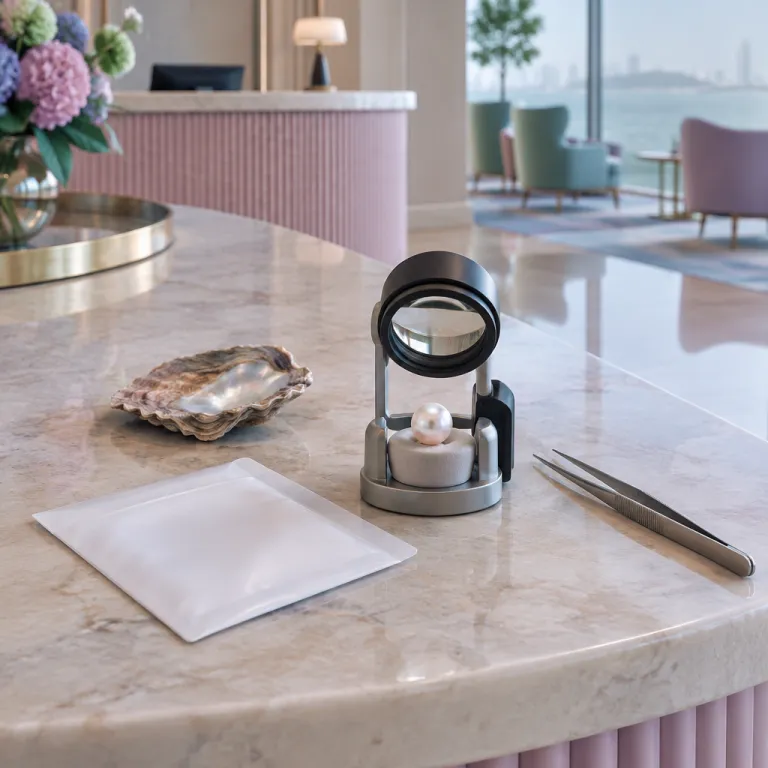
Why Bahrain is still the home of natural pearls
Bahrain is one of the last places where natural pearls still shape a living luxury culture. The island’s shallow Gulf waters once held some of the world’s richest oyster beds, and that history still informs how serious travelers now approach any plan to buy natural pearl Bahrain certified through reputable channels. For a couple checking into a waterfront suite, the idea that their anniversary jewelry could be traced back to Bahraini pearl grounds, rather than anonymous pearl farms, adds a rare sense of place.
The legal framework matters as much as the romance of the sea. Under Bahrain’s regulated pearl trade, dealers who participate in the domestic market are expected to handle natural saltwater pearls, not cultured stock, and to support every sale with documentation. Danat, Bahrain’s Institute for Pearls and Gemstones, notes in its public guidance that its role is to safeguard the kingdom’s natural pearl heritage through testing and certification, which in practice means that any pearl necklace or loose gem pearl offered as Bahraini in a serious jewelry salon should be natural and backed by a lab report. This strict stance has preserved a market where pearls natural in origin, not bead seeded, are tested in a laboratory Bahrain guests can actually visit, turning a shopping errand into a cultural experience.
Walk through Manama’s historic districts and you still hear the vocabulary of the old trade. Dealers talk about weight in carats and mommes, about pearls color shifting between color white and light cream under white light, and about the subtle differences between round and baroque shapes. When you ask to see natural pearls, the conversation quickly moves to certified natural status, to which testing laboratory handled the pearl testing, and to how the oyster and seabed provenance connects back to Bahrain’s saltwater pearls heritage.
From hotel lobby to pearl laboratory: using the concierge
In a good luxury hotel, the concierge is not just arranging restaurant bookings. For couples who want to buy natural pearl Bahrain certified rather than a generic souvenir, that desk becomes the safest bridge between the lobby and Bahrain’s tightly regulated natural pearl market. You are not sent to a random shop; you are introduced to a vetted jeweler who already understands that you expect laboratory reports, not just flattering photos and a velvet tray.
Concierges in Manama’s leading properties maintain quiet relationships with established dealers and with the Danat testing laboratory in the Bahrain World Trade Center. They know that guests are often choosing a single natural pearl or a matched set of Bahraini pearls to mark a life event, and that the quality, weight, color and certified paperwork must stand up to scrutiny back home. Many will help you schedule a visit to the laboratory Bahrain facility, or at least arrange for pearl testing so that the gem pearl you select is confirmed as natural and compliant with local rules, rather than one of the cultured pearls that are treated very differently in Bahrain’s system.
If your stay is centered around refined city hotels near the main malls and cultural venues, use that to your advantage. When planning a romantic break built around city center luxury retreats in Bahrain, brief the concierge before arrival that you want to see both loose pearls and finished jewelry, from a single pearl necklace to more intricate settings. This advance notice allows them to curate options in different shapes, from classic shape round stones in color cream to more sculptural baroque gemstones, all with a clear path to certified natural status.
Reading a natural pearl: shape, color and weight in context
Once you sit down with a reputable jeweler, the language of the trade becomes part of the experience. You will handle individual pearls and matched pairs, comparing weight between pieces that look similar in photos but feel very different in the hand. The jeweler will move each natural pearl under white light to show how pearls color can shift from color white to light cream or deeper color cream tones, and how that affects both mood and price.
Shape is another quiet obsession in Bahrain’s natural pearls market. Perfectly round stones are rare in saltwater pearls that formed without human intervention, so a truly shape round gem pearl with good luster and balanced weight will command a premium over more irregular baroque forms. That does not mean baroque pearls are inferior; many couples find that a slightly elongated or asymmetrical natural gem, especially in a soft cream or light cream shade, feels more personal and pairs beautifully with contemporary jewelry design.
Context matters when you are choosing between a single pearl necklace, a strand of Bahraini pearls, or a pair of earrings. A classic pearl necklace built from natural pearls of similar size, weight and pearls color will feel formal, while a pendant featuring one larger stone can be worn daily and still carry the story of Bahrain’s oyster beds. For some travelers, the emotional value lies in selecting one of the largest pearl options their budget allows, while others prefer a cluster of smaller gemstones that echo the textures of Manama Souq, where Bahrain’s heritage meets luxury city stays in a tighter urban weave.
Certification, Danat and what “Bahrain natural” really means
The difference between a romantic story and a secure investment is a piece of paper. When you buy natural pearl Bahrain certified through a serious channel, you should expect a report from an authorized testing laboratory that confirms the pearl is natural and not cultured. That document will describe the pearl’s weight, dimensions, shape, color and any treatments, and it should match exactly what you see in the jewelry box and in any supporting photos.
In Bahrain, Danat is the reference point for natural pearls, operating as a specialized testing laboratory in Manama’s World Trade Center. Their technicians use microradiography, X ray and micro CT imaging to look inside the gem pearl, confirming that there is no bead nucleus and that the growth structures match those of saltwater pearls formed in oysters without human seeding. International labs such as GIA can also issue reports, but for Bahraini pearls purchased locally, a Danat certificate that states certified natural origin and Bahrain provenance carries particular weight in the regional market. Danat’s own sample reports show typical details such as a 3.5–4.0 mm saltwater pearl graded as natural, with nacre growth lines visible in X ray images and no indications of artificial filling or coating.
One official style of explanation used by experts is very clear: “How to verify pearl is natural? Obtain Danat or GIA report showing no bead nucleus and natural growth lines” and “Can cultured pearls be sold in Bahrain? Local trade is built around natural pearls, with cultured material treated under separate rules” and “What makes certificate valid? Authorized lab, matching description, scientific imaging”. For couples working with a hotel concierge, this means you should insist that any natural pearls or finished pearl necklace you consider can be sent to Danat before final payment. The extra time is worth it, because a certified natural report anchors both the emotional story of Bahrain and the long term value of your jewelry.
Planning the perfect pearling day from your luxury hotel
Turning a purchase into a memory starts with how you plan the day. Begin with a slow breakfast overlooking the water, then meet your concierge to review which dealers and which pieces best fit your budget and your taste for either shape round or more expressive baroque forms. If you are timing your stay around cultural events, use guides such as this curated look at Bahrain’s cultural calendar worth timing a stay around to align your pearl shopping with visits to galleries, museums and restored houses in Muharraq.
A well structured itinerary might include a morning appointment in a discreet Manama jewelry salon, followed by a transfer to the Danat laboratory Bahrain facility to submit your chosen gem for pearl testing. While the testing laboratory completes its work, you can explore the old pearling neighborhoods, where stories of divers, oyster dhows and the search for the largest pearl still echo in family histories. By the time you return to your hotel, the concierge can often update you on the certified natural status, so you know whether your selected saltwater pearls or Bahraini pearls have passed every check.
Back in your suite, lay out the final piece under white light and take your own photos for personal records. Check that the certificate’s description of weight, dimensions, pearls color and shape matches the pearl necklace or loose gemstones in front of you, and file both the report and the receipt safely for future insurance. When you finally wear that natural pearl on a dinner cruise or in a quiet lounge, you will feel not only the romance of the sea, but also the assurance that you chose to buy natural pearl Bahrain certified in the most rigorous, concierge guided way available on the island.
FAQ
How do I make sure my Bahraini pearl is truly natural?
The only reliable way to confirm that a Bahraini pearl is natural is to obtain a report from an authorized testing laboratory such as Danat in Manama or an international institute like GIA. The report should state that the pearl is natural, not cultured, and include imaging that shows natural growth structures without a bead nucleus. Always ensure the report’s details on weight, shape and color match the actual pearl or jewelry piece you receive.
Can I legally buy cultured pearls while staying in Bahrain?
Bahrain’s modern pearling framework is designed to protect its reputation for natural saltwater pearls, so the regulated domestic trade focuses on natural gems rather than cultured stock. You may see cultured pearls in international airports or in other countries on your itinerary, but they are not part of Bahrain’s traditional natural pearl system. When in doubt, ask your hotel concierge and insist on documentation that confirms the pearl’s natural origin.
What role does my hotel concierge play in the buying process?
A good concierge in a luxury or premium hotel acts as your trusted intermediary with the local pearl trade. They can introduce you to reputable jewelers who specialize in natural pearls, arrange secure transport of stones to and from the Danat laboratory, and help you understand the timing and paperwork involved. This concierge route reduces the risk of impulse purchases from unvetted shops and aligns your experience with Bahrain’s high standards for certified natural pearls.
Is a single pearl pendant better than a full necklace for a first purchase?
For many travelers, a single natural pearl pendant is a practical first step because it concentrates budget into one higher quality gem. A full pearl necklace made from matched natural pearls requires careful selection of weight, color and shape across many stones, which can significantly increase cost. Discuss your lifestyle and budget with the jeweler and concierge; they can advise whether one standout gem or a strand of smaller pearls will serve you better over time.
How long does pearl testing and certification usually take in Bahrain?
Testing times can vary depending on the laboratory’s workload and the number of pearls being examined. For a single stone or a small set, many travelers find that Danat can often complete pearl testing and issue a certified natural report within a few working days, especially if the concierge schedules the visit in advance. If your trip is brief, plan the selection early in your itinerary so there is enough time for the laboratory Bahrain team to complete their work before you depart.