Reading Bahrain’s sustainable hotel signals before you book
On a small desert island like Bahrain, sustainability is never abstract. Real Bahrain sustainable hotel signals show up in how a property manages water, energy and the fragile Bahrain Gulf coastline that frames so many luxury stays. When you scan a hotel page or step into a lobby, you are reading a quiet language of choices that either respect sustainable tourism in the Gulf region or lean on vague green slogans.
Start with the basics that matter most in Bahrain tourism rather than glossy campaigns. A genuinely sustainable hotel in Bahrain will talk plainly about water consumption, energy efficiency and waste management, because these are hard constraints on an island in the Middle East where desalinated water and cooling systems define daily life. For context, Bahrain’s per capita water use has been estimated at over 250 litres per day, so hotels that cut this by even 20–30% through low flow fixtures and smart irrigation are making a measurable difference. Look for transparent reporting on these topics, not just a leaf icon or a single line about being eco friendly in a long list of amenities.
Location also shapes the credibility of sustainability claims in Bahrain. Properties on the sea facing the Bahrain Gulf or near the east coast mangroves should reference marine protection, coastal erosion and responsible beach events, not only sunset cocktails and private cabanas. For example, a resort that limits jet ski hours, uses low glare lighting on the shore and publishes annual beach clean-up data is treating the coastline as an ecosystem, not just a backdrop. Inland luxury hotels closer to Bahrain International Airport or Manama’s financial district will instead highlight energy management, long term tourism initiatives and reduced transport emissions for guests moving between Bahrain, the UAE and Saudi Arabia, often by promoting shared transfers or electric vehicle options.
The plastic free minibar and other in room signals that matter
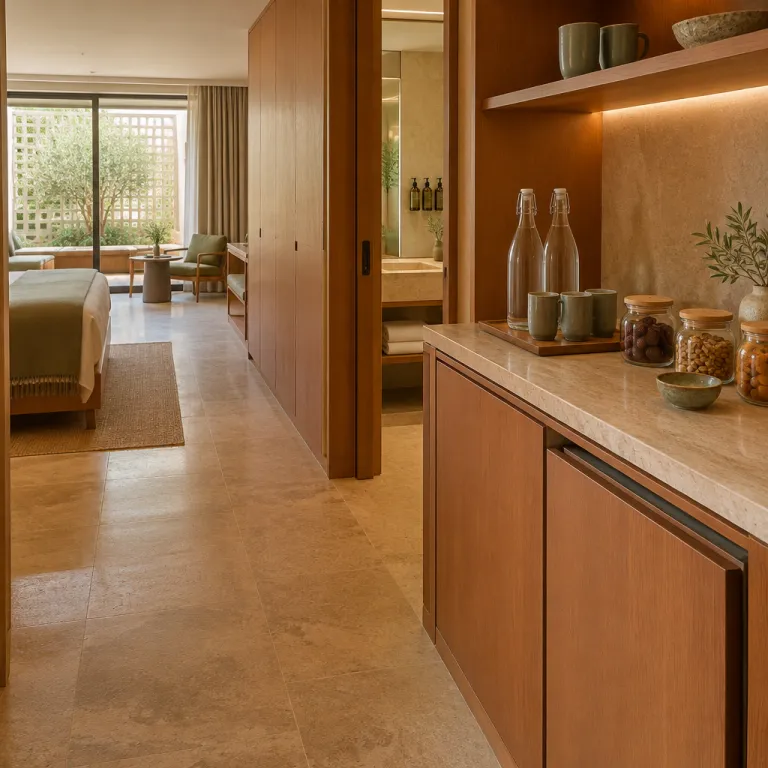
Walk into your room and the minibar quietly tells you how seriously a hotel in Bahrain treats sustainability. A plastic free minibar stocked with glass bottled water, local juices and refillable containers is a strong Bahrain sustainable hotel signal that daily operations match the marketing. Some properties now report cutting single use plastic bottles by more than 80% after switching to filtered water and glass, which directly reduces waste sent to Bahrain’s landfills. When you see single use plastic bottles lined up beside energy hungry under counter fridges, you are looking at habits that undermine every eco friendly sentence in the brochure.
On this island, water is the defining test of sustainable practice. Bahrain’s hotels rely on desalination, so every litre of water consumption carries an energy cost that ripples across the wider Middle East power grid and the interconnected GCC economies of Qatar, Saudi Arabia and the UAE. Desalination can consume up to 3–4 kWh of electricity per cubic metre of water, so cutting shower flow rates or reusing laundry has a direct carbon impact. Properties that mean their green claims install filtered water dispensers on each floor, provide carafes instead of endless plastic bottles and explain how they track both water and energy use over the long term, sometimes sharing annual percentage reductions with guests.
Bathroom amenities reveal another layer of Bahrain sustainable hotel signals. Refillable full size dispensers, solid soaps without plastic wrap and locally sourced products show that the hotel has redesigned its supply chain, not just swapped labels to say eco. A number of Bahrain luxury hotels now report eliminating more than 100,000 miniature amenity bottles per year by moving to bulk dispensers, which also simplifies recycling. When a luxury hotel still offers tiny single use bottles and individually wrapped items, it signals that waste management is an afterthought rather than a core part of sustainable tourism in the Gulf region.
Beach facing properties add a coastal dimension to these in room details. If your sea view suite at a Bahrain hotel includes reusable beach bottles, reef safe sunscreen and clear guidance on protecting marine life, you are seeing sustainability integrated into the guest journey. Some resorts now provide QR codes linking to short briefings on turtle nesting, seagrass meadows and local fishing rules, turning a simple welcome card into a mini coastal education. That connection between the room, the shore and the wider Bahrain Gulf ecosystem is far more meaningful than any generic green card on the bedside table.
For a deeper look at how marine responsibility plays out beyond the minibar, read this guide to reef conservation and hotel responsibility in Bahrain. It shows how properties along the east coast and around the island’s artificial reefs are slowly aligning luxury tourism with the health of the surrounding sea. Those practices, more than any slogan, define whether a hotel’s sustainability story holds up under scrutiny.
From lobby to breakfast table: where Bahrain’s eco story gets real
The lobby is where many Bahrain hotels stage their sustainability theatre. You might see a single green wall, a recycled art piece or a small sign about eco friendly values, yet none of these touches prove that the property has changed how it uses water, energy or materials. The real Bahrain sustainable hotel signals sit behind the scenes in procurement, kitchen operations and how the hotel manages daily tourism flows through its spaces.
Breakfast is a revealing moment for any luxury hotel in Bahrain. A buffet that stretches for metres but wastes most of its imported produce is not aligned with sustainable tourism, no matter how many organic labels appear on the menu. Industry studies suggest that hotel buffets can waste 25–40% of displayed food, so portion control and live cooking stations matter as much as ingredient labels. When a hotel Bahrain property curates a tighter selection of seasonal dishes, highlights local suppliers from across Bahrain and the wider Middle East and actively manages food waste, you are seeing sustainability expressed in both taste and numbers.
Ask how the hotel handles leftovers from large events and conferences. Properties that take sustainability seriously will describe donation partnerships, composting or other structured waste management systems rather than shrugging and changing the subject. Some Manama conference hotels now track food waste per guest and share monthly reduction targets with their teams, turning banqueting from a cost centre into a sustainability lever. This is where transparent reporting matters, because it shows whether the hotel’s tourism initiatives extend beyond guest facing gestures into the operational core.
Urban luxury hotels in Manama’s city center face a different test. Their footprint is vertical rather than coastal, so energy efficiency, smart cooling and reduced water consumption become the main sustainability levers. Many newer properties pursue certifications such as LEED or BREEAM for their building shells, then add ISO 14001 environmental management systems to govern daily operations. If you are comparing options, this guide to luxury hotels in Bahrain city center helps you read how central properties balance high rise comfort with responsible resource use.
For longer stays, sustainability and pricing often intersect. Guests planning extended visits for work, cultural tourism or regional travel between Bahrain, Qatar, Saudi Arabia and the UAE can use this analysis of how to price an extended luxury stay in Bahrain to weigh eco credentials alongside cost structures. Over a month, small efficiencies in water, energy and materials add up to a meaningful environmental and financial difference, especially when laundry, housekeeping frequency and in room dining are adjusted for longer term guests.
Certifications, claims and the quiet work behind real sustainability
Paperwork can be reassuring, but it is not the whole story. Many properties in Bahrain and across the GCC highlight that they are certified by international green building or sustainable tourism schemes, yet the depth of those certifications varies widely. Common examples include LEED for building design, Green Key for hotel operations and EarthCheck for destination level benchmarking. When you evaluate Bahrain sustainable hotel signals, treat any logo as a starting point rather than a verdict.
Ask what sits behind the certificate. A hotel that has mapped its water consumption, invested in efficient energy systems and redesigned waste management will be able to explain those steps clearly, not just point to a framed document. For instance, a property that can say it reduced energy use per occupied room by 10% between 2021 and 2023, or cut landscape irrigation by switching to treated wastewater, is offering verifiable progress. Look for specifics about how the property has adapted to Bahrain’s island context, where desalinated water, high cooling loads and a sensitive sea environment make sustainability both technical and local.
Regional context also matters. Properties that operate across Bahrain, Saudi Arabia, Qatar and the UAE often apply group wide sustainability standards, yet the best ones adjust their approach to each island or coastal setting. In Bahrain, that means paying close attention to the Bahrain Gulf shoreline, the east coast mangroves and the cultural expectations of Bahrain tourism, which increasingly values eco friendly experiences alongside traditional luxury. Some regional hotel groups now publish GCC wide sustainability reports that break out Bahrain specific data, allowing guests to compare performance across cities.
Luxury hotels that take a long term view tend to share more data. They might publish annual sustainability updates, host small guest briefings during events or include transparent reporting in their in room information, covering topics from energy use to staff training. A few Bahrain properties now align their disclosures with global frameworks such as the Global Reporting Initiative (GRI) or the UN Sustainable Development Goals, which adds structure to their claims. When a hotel Bahrain property is reluctant to share any numbers or timelines, you are likely looking at marketing first and practice second.
Remember that genuine sustainability work is often unglamorous. It lives in plant rooms, procurement spreadsheets and staff briefings, not just in the spa brochure or the rooftop bar menu. Your role as a guest is not to audit every detail, but to ask the kind of questions that reward properties doing the hard work and gently pressure others to move beyond surface level green claims.
Coastlines, icons and how to question luxury without killing the mood
Some of Bahrain’s most recognisable properties sit right on the water. Names like The Ritz Carlton Bahrain, often shortened in conversation to the Ritz Carlton, or Carlton Bahrain, carry a particular weight in the Gulf region’s luxury tourism landscape. Other waterfront brands, from Sofitel to Four Seasons, face similar scrutiny as guests look for visible Bahrain sustainable hotel signals alongside familiar five star comforts. When you stay at these icons, the question is not whether they are luxurious, but how their relationship with the sea and the island reflects modern sustainability expectations.
Coastal hotels shape how both residents and visitors experience the Bahrain Gulf. Their private beaches, marinas and sea facing pools influence everything from marine noise to reef health, which is why Bahrain sustainable hotel signals along the shoreline matter so much. Ask how the property manages beach cleaning, single use plastics at beach clubs and boat traffic around sensitive areas, because these details reveal whether eco friendly language translates into coastal practice. Some resorts now publish monthly beach cleanliness scores or track the number of community clean-up events hosted each year, turning a simple walk on the sand into a measurable indicator.
Regional tourism initiatives also frame what you see on the ground. As Bahrain, Saudi Arabia, Qatar and the UAE compete and collaborate within the wider Middle East tourism market, sustainability has become a shared talking point across GCC capitals. Bahrain’s national tourism strategy now references low impact experiences, cultural preservation and greener infrastructure, which gradually shapes hotel investment decisions. Yet the island’s scale means that every decision about water, energy and waste management is felt more quickly here than in larger neighbours, making Bahrain a sharp test case for sustainable tourism claims.
Guests sometimes worry that asking sustainability questions will feel awkward in a luxury setting. In practice, a simple, calm question about water consumption, waste systems or local sourcing often opens a thoughtful conversation with well briefed staff. You might ask, “Do you track water use per guest night?” or “How do you handle leftover food from the buffet?” and listen for specific, confident answers. When a hotel team can answer clearly and confidently, you gain both practical information and a sense that sustainability is part of the property’s daily language rather than a script.
Over time, these guest conversations help shift what counts as standard in Bahrain hotel culture. As more solo explorers and frequent travellers treat Bahrain sustainable hotel signals as part of their booking criteria, properties that invest in genuine eco systems will find their efforts rewarded. That quiet pressure, applied stay after stay, is how an island hospitality scene moves from laminated cards to lived practice.
FAQ
How can I quickly assess if a Bahrain hotel is genuinely sustainable ?
Start with water, because Bahrain’s island setting makes this the most telling resource. Check whether the hotel offers refillable glass bottles, visible filtered water stations and clear information about water consumption reduction. A property that can quote a specific target, such as cutting water use per occupied room by 15% over three years, is usually tracking the right metrics. Then look for transparent reporting on energy use and waste management rather than only generic eco friendly statements.
Are certified green hotels in Bahrain always the best choice ?
Certification is a useful signal, but it is not a guarantee of deep practice. Some certified properties in Bahrain and the wider GCC go far beyond minimum standards, while others treat the process as a one time badge. Look for recognisable schemes such as Green Key, LEED, EarthCheck or ISO 14001 and ask when the hotel was last audited or recertified. Use certifications as a starting point, then ask specific questions about long term sustainability projects, local tourism initiatives and how the hotel adapts to Bahrain’s water scarce environment.
What questions should I ask a hotel before booking a sustainable stay in Bahrain ?
Ask how the property manages water consumption, especially for pools, landscaping and guest rooms. Then request examples of recent sustainability improvements, such as upgraded energy systems, reduced single use plastics or new waste management partnerships. You can also ask whether the hotel measures carbon emissions per guest night or participates in any Bahrain based conservation or community programmes. Finally, check whether the hotel supports local communities and Bahrain tourism beyond its own walls, for example through cultural events or environmental projects.
Does staying at a luxury hotel in Bahrain always mean a higher environmental impact ?
Luxury often involves higher resource use, but the gap is narrowing as more properties invest in efficient systems. Some luxury hotels in Bahrain now operate advanced cooling, lighting and water technologies that reduce their footprint compared with older mid range properties. For instance, high efficiency chillers, motion sensor lighting and greywater reuse can cut energy and water use per guest even when room sizes remain generous. The key is whether the hotel treats sustainability as a design principle rather than an optional extra.
How does Bahrain compare with other Gulf destinations on hotel sustainability ?
Bahrain’s small size and limited natural water resources make sustainability pressures more visible than in some neighbouring countries. While larger markets like Saudi Arabia, Qatar and the UAE often lead the latest news cycle with big green announcements, Bahrain’s most interesting progress tends to happen quietly at the property level. Guests will find a mix of older hotels catching up and newer builds designed with efficiency in mind, often influenced by regional GCC standards. For guests, that means paying close attention to specific Bahrain sustainable hotel signals rather than assuming regional trends apply evenly across the Gulf region.