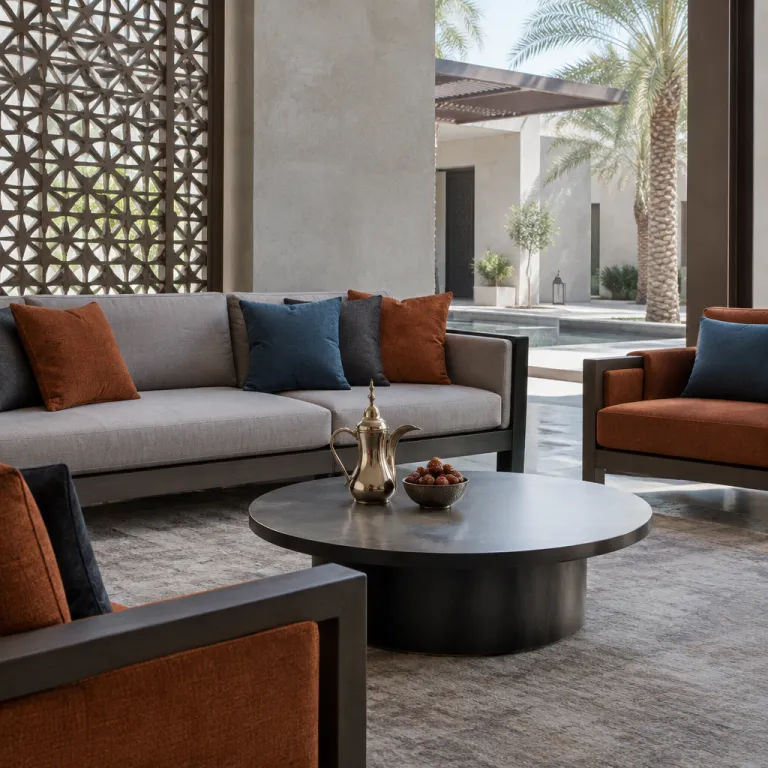
The majlis idea: how Bahrain’s quiet codes shape five star stays
Walk into a serious luxury lobby in Bahrain and you step into a living majlis, even when the word is never spoken aloud. The Bahrain majlis hospitality culture runs beneath the marble and glass, turning a standard check in into a traditional gathering where people sit, talk and are noticed as individuals rather than room numbers. This is where majlis style welcome becomes both obligation and art, and where the physical space of the lobby quietly echoes the traditional gathering rooms that historically prominent families kept at the front of their homes.
In those older houses, the majlis was the front room where guests, traders and neighbours met, and that logic remains in the way modern hotels choreograph their gathering spaces. At properties such as Four Seasons Hotel Bahrain Bay or The Ritz-Carlton, Bahrain, staff are trained to read social interaction as carefully as they read passports, because relationships majlis style are built through unhurried conversation, refilled cups of Arabic coffee and the sense that the gathering can stretch as long as everyday life allows. In this context, hospitality is not a scripted performance but a cultural duty, and the best properties in Bahrain remain committed to that duty even as they compete with larger Gulf and Saudi Arabia brands.
For premium families, understanding this majlis culture changes how a stay feels from the first minute. You are not just visitors passing through anonymous spaces; you become temporary members of a community that values social life, elders and children, and the rhythm of gatherings community wide. The unwritten rule is simple yet demanding, because majlis customs continue to shape how people in Bahrain, Qatar and Saudi think about welcome, and that logic remains even when the setting is a rooftop pool rather than a shaded courtyard.
Arrival rituals: coffee, dates and the lobby as living room
The first real encounter with Bahrain majlis hospitality culture usually happens before your passport is scanned. A tray appears with Arabic coffee and dates, and suddenly the lobby becomes a traditional gathering space where guests and hosts share a small but meaningful ritual. Hotels across Manama and wider Bahrain use this moment to signal that their hospitality is rooted in cultural practice, not just in corporate service standards.
Staff will often pour the coffee into small cups from a brass dallah, and the etiquette is part of the experience for both guests and visitors. You accept coffee with your right hand, and when you have had enough you shake the cup slightly to refuse a refill, a gesture that historically majlis hosts across the Gulf, Saudi and Qatar would recognise instantly. These details may feel minor, yet they show how majlis etiquette remains woven into everyday life, and how social interaction in these gathering spaces is guided by codes that have travelled from family homes into five star properties. Hotel photography often highlights this moment, so image alt text such as “Arabic coffee service in a Bahraini hotel lobby majlis” accurately reflects what you will see on arrival.
For families arriving from the United States, this can feel both formal and warmly relaxed at the same time. Children are usually welcomed into the circle, encouraged to taste the dates and sit comfortably, because the majlis Bahrain tradition treats young people as part of the community rather than an afterthought. If you want a deeper primer on how these first hours in the kingdom work in practice, read the guide on logistics, timing and hotel choices first time visitors often misjudge, then layer the majlis culture etiquette on top.
Family etiquette: how to move gracefully through majlis shaped spaces
Once you are checked in, the Bahrain majlis hospitality culture follows you into corridors, lounges and restaurants. Public areas in luxury hotels are designed as flowing gathering spaces rather than purely functional transit zones, and the way people sit, talk and pause in these spaces reflects a traditional gathering logic. For visiting families, a few simple courtesies help you move through this cultural landscape with ease and respect.
Dress codes in lobbies and dining rooms are one of the clearest signals that hospitality here is also about mutual consideration. You will see that shoulders and knees are usually covered, especially in the evening, and this modest approach to clothing honours both Islamic values and the wider Gulf social life that Bahrain shares with Saudi Arabia and Qatar. Shoes generally remain on in hotel public areas, yet if you are invited into a more intimate majlis style room and notice staff or hosts removing theirs, follow suit quietly; this small act shows you understand how the physical space shifts from public to semi private.
Behavioural etiquette is just as important as clothing. Keep voices moderate in shared lounges, especially when elders are present, and encourage children to treat these areas as community events rather than playgrounds, even though staff will usually indulge them with genuine warmth. If you are curious about seasonal rhythms, including when terraces reopen and gatherings celebrations spill outdoors again, the piece on early autumn as Bahrain’s under the radar sweet spot gives useful context for planning your family’s social interaction with the island.
Where hotels keep the codes alive: from Ramadan nights to quiet afternoons
The most attentive properties in Bahrain do more than reference majlis culture in their décor. They structure their service around the idea that hospitality is a shared responsibility between hosts and guests, and that gatherings community wide should feel both inclusive and dignified. This becomes especially visible during Ramadan and Eid, when the Bahrain majlis hospitality culture shapes everything from meal timings to how staff greet fasting visitors in public spaces.
During these periods, you may notice that social life shifts later into the evening, with iftar and suhoor turning ballrooms and terraces into large scale gathering spaces that echo the traditional gathering rooms of older neighbourhoods. Families from Bahrain, Saudi, Qatar and beyond come together, and the way people sit, share dishes and move between tables reflects relationships majlis patterns that have evolved over generations. Alcohol is not served in these contexts, and official tourism guidance from Bahrain’s Ministry of Tourism notes that alcohol is restricted to licensed outlets and not allowed publicly during major religious occasions such as Ramadan, which is the standard followed by international hotels on the island.
Outside major religious seasons, the same codes remain, just in quieter form. A lobby where staff remember your children’s names, a lounge where Arabic coffee appears before you ask, or a concierge who arranges a visit to a local majlis Bahrain style community event all show how majlis values continue to guide everyday life in luxury settings. For a sense of how the island’s climate shapes these rhythms, especially when terraces and outdoor gathering spaces come back into play, the feature on the moment Bahrain’s terraces reopen is a useful companion read.
Choosing the right property: reading between the stars and the scripts
Not every five star address in Bahrain treats majlis hospitality as more than a decorative theme. Some international chains lean heavily on generic Gulf luxury cues, while others work deliberately to embed Bahrain majlis hospitality culture into training, layout and daily routines. For premium families, the difference shows up in how staff handle unplanned moments rather than in how they recite scripted greetings.
Look for hotels that carve out clear gathering spaces where guests and visitors can linger without feeling rushed, because these are the modern echoes of the traditional gathering rooms that historically majlis households maintained. In such properties, you will see that social interaction is encouraged through seating clusters, low tables for Arabic coffee and dates, and staff who circulate with the relaxed assurance of hosts in their own homes. The atmosphere remains polished, yet the community feeling is tangible, and gatherings celebrations for national days or local festivals often spill naturally into these zones.
Ask specific questions before booking if majlis culture matters to your stay. Does the hotel offer any insight into local community events, or arrange visits to cultural landmarks where majlis Bahrain traditions remain visible in everyday life? Are there family friendly lounges that function as a physical space for quiet play and conversation rather than just transit corridors? When a property answers these questions thoughtfully, it signals that majlis principles continue to shape its understanding of hospitality, and that logic remains something you will feel from check in to checkout.
How to reciprocate: being more than a passive guest in a majlis shaped stay
The deepest layer of Bahrain majlis hospitality culture is reciprocity. Hosts extend generosity, time and attention, and guests are expected to respond with respect, patience and a willingness to engage in social life that goes beyond transactional service requests. For families used to faster paced hotel cultures, slowing down enough to match this rhythm can be the most rewarding adjustment.
Start with the small rituals. Accept the Arabic coffee when it is offered, even if you only sip, because this signals openness to the gathering and honours the traditional gathering codes that historically majlis hosts across Bahrain, Saudi Arabia and Qatar upheld. Use your right hand for handshakes, payments and the coffee cup, and when you are finished, remember the gentle shake of the cup that tells your host you are satisfied without needing words.
Reciprocity also means recognising that you are stepping into a community, not just a service environment. Take time to greet staff you see daily, learn a few Arabic phrases, and show interest when concierges mention local gatherings community events or cultural landmarks where majlis Bahrain traditions remain strong. These gestures turn anonymous hotel nights into relationships majlis style, where the physical space of the property becomes a temporary extension of your own home, and where majlis hospitality remains not just something you receive but something you quietly help sustain.
FAQ: Bahrain’s majlis codes in luxury hotels
Do I always need to remove my shoes in hotel majlis areas ?
No, you do not always need to remove your shoes in hotel majlis style spaces. In most luxury properties in Bahrain, shoes remain on in lobbies and public lounges, which function as open gathering spaces for guests and visitors. Follow the lead of staff or hosts; if they remove their shoes in a more intimate physical space, such as a private majlis room, it is courteous to do the same.
Is alcohol available in Bahraini luxury hotels ?
Alcohol is available in many licensed venues within Bahrain’s luxury hotels, especially in international restaurants and bars. However, it is not served in all outlets, and it is not allowed publicly during major religious occasions such as Ramadan, in line with guidance from Bahrain’s tourism authorities that alcohol consumption is limited to approved hotel and restaurant venues. When in doubt, ask staff discreetly, as they are used to guiding guests through these cultural and legal boundaries.
Can unmarried couples stay together in Bahrain’s premium hotels ?
Unmarried couples can usually stay together in Bahrain’s luxury and premium hotels, and this is common among international visitors. Some properties may reserve the right to ask for proof of marriage, but this is not a universal practice. If you are concerned, contact the hotel in advance and ask about their policy in clear, neutral terms.
How should my family dress in hotel public areas shaped by majlis culture ?
In public areas such as lobbies, lounges and restaurants, modest dress is appreciated and aligns with the wider Gulf hospitality culture. Covering shoulders and knees is a good baseline for both adults and older children, especially in the evening or during Ramadan. Swimwear should stay at the pool or beach, and a light cover up makes it easy to move between your room and these gathering spaces respectfully.
What is the polite way to handle Arabic coffee service with my children ?
Arabic coffee is a central part of majlis hospitality, and children are usually welcomed into the ritual. If your children are too young for coffee, they can still accept dates or juice, and you can explain to staff with a smile that they will skip the coffee. Encourage older children to accept a small cup with the right hand and to copy your gesture when you gently shake the cup to indicate you have had enough.