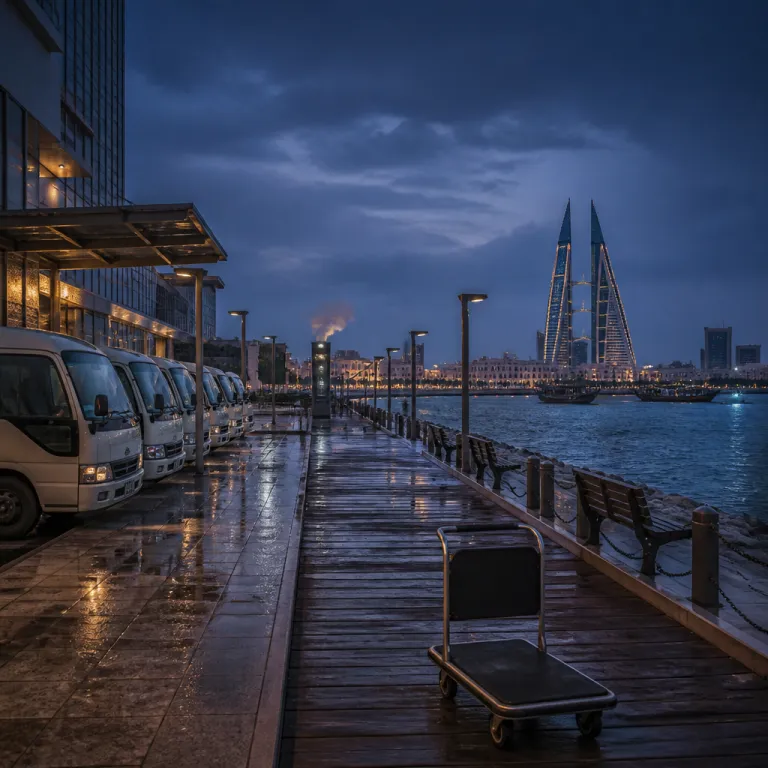
Why travel Bahrain starts with choosing the right neighbourhood
Most people who travel Bahrain for the first time underestimate how compact the country feels. The island is small, yet the difference between staying in central Manama, on Amwaj Islands or out by the King Fahd Causeway shapes every day of your travelling, including how easily you reach cultural landmarks. When you plan any trip to Bahrain, the most effective approach is to map your must see sites first, then choose a hotel that reduces transfers rather than chasing the lowest rate.
For a solo traveler focused on heritage, staying in Manama or Muharraq keeps you close to the Bahrain National Museum, the UNESCO listed Pearling Path and the old souq, while still giving fast access to the airport and to the rest of the country. Data from the Bahrain Tourism and Exhibitions Authority and local hospitality partners indicates that first time visitors often choose hotels far from attractions, then spend more on taxis than they saved on the room, which is why the official guidance notes that “Choosing hotels in central areas for convenience” is one of the simplest ways to avoid common mistakes (BTEA visitor behaviour summary, consulted January 2024). When you travel Bahrain with a clear sense of geography, you can follow instructions from local guides, walk more, and reserve car time for the heat of the afternoon.
Manama, in the Capital Governorate, sits at roughly 26.23° north and 50.59° east, and it remains the most practical base for cultural travellers who want both public transport options and premium hotel services. From here, the airport is about 20 minutes away, while Amwaj is closer to 15 minutes, and the King Fahd Causeway to Saudi Arabia is roughly a 25 to 35 minute drive depending on traffic and security situation at the border (typical transfer times based on 2022–2023 airport and hotel survey data, checked January 2024). If you are planning to leave Bahrain by road after a stay, remember that the causeway can be busy on Thursday evenings and Saturday nights, so follow instructions from your hotel concierge and any security alert issued by government channels before you set off.
Airport to hotel transfers, entry rules and the paperwork people forget
Landing in Bahrain International Airport is usually a gentle start to any journey in the Middle East. The terminal is compact, immigration is generally efficient, and the average taxi fare from the airport to the city centre sits around 5 Bahraini dinars according to 2023 fare guidance from Bahrain’s Ministry of Transportation and Telecommunications (official tariff tables reviewed January 2024), which makes the first leg of your travel Bahrain experience relatively stress free. Problems begin when visitors have not checked their passport validity, visa entry rules or travel insurance coverage, or when they accept unofficial rides instead of using official services.
Before travelling, check your government travel advice page for Bahrain and confirm whether you qualify for visa on arrival, eVisa or need pre clearance, because entry exit rules differ by nationality and by the passport you hold. Some travellers from neighbouring Saudi Arabia and other Gulf states have different entry arrangements, while many Western visitors can obtain visas online, yet all must follow local laws on overstays and respect the conditions printed in their entry stamp. If anything looks unclear, contact nearest Bahraini embassy or consulate before you fly, rather than relying on social media rumours or advice local forums that may be out of date.
On arrival, use the official taxi rank, a ride hailing app such as Uber or Careem, or a pre booked hotel car, and avoid accepting rides from drivers who approach you inside the terminal, as local authorities and airport security repeatedly warn against unofficial services. Ride hailing is widely used in the country, and for a solo traveler it often offers a transparent fare structure and digital receipts that help with any later consular services or travel insurance claims. If you lose a bag or passport in transit, contact nearest consular assistance point for your country and ask your hotel to help you follow instructions local authorities provide, because coordinated action between consular, airport and police services is the fastest way to resolve such issues.
For cultural travellers heading straight to Muharraq, consider staying near the historic core, then using a ride hailing app for short hops between the Pearling Path, traditional houses and the seafront cafés. Our detailed guide to what hotel guests miss in Muharraq explains how the right address can turn a simple overnight into a deep encounter with Bahraini history. When you travel Bahrain with this level of planning, you spend less time in transit and more time tracing the island’s trading past through its restored courtyards and alleyways.
Weekends, timing and the heat question that shapes your itinerary
The rhythm of travel Bahrain is not built around a Saturday Sunday weekend, and this catches many first timers off guard. Bahrain follows a Friday Saturday weekend, which means Thursday night to Saturday afternoon is peak time for local families, regional visitors from Saudi Arabia and business travellers extending their stay. If you want quieter cultural sites and more favourable hotel rates, consider arriving on a Sunday or Monday and planning your key museum and heritage visits for weekdays.
Summer in this part of the Middle East is not a gentle concept, with daytime temperatures regularly above 40 degrees Celsius from June to September, and humidity that can make even short walks feel heavy. For solo explorers, the honest advice is simple: schedule outdoor visits to places like Bahrain Fort, the old Muharraq quarters and the Manama souq for early morning or just after sunset, then retreat to your hotel during the harshest hours. When you travel Bahrain in these months, health and comfort are not luxuries but basic logistics, so drink water constantly, use sun protection and avoid long unshaded walks between sites.
During the cooler months, public life shifts outdoors and cultural landmarks feel more relaxed, yet the weekend pattern still matters for hotel choices and for any plan to leave Bahrain via the King Fahd Causeway. Fridays often see heavier traffic towards Saudi Arabia, while Saturdays bring the return flow, and local authorities sometimes issue a security alert or traffic advisory if conditions change. Follow instructions from your hotel team, check advice local channels and, if needed, adjust your travelling schedule by a few hours to keep transfers smooth.
For travellers who want their hotel to echo the island’s pearling past, our guide to heritage stays in Bahrain highlights properties that sit within walking distance of key cultural landmarks. Choosing one of these addresses means you can step out at dawn, explore before the heat builds, then return for a late breakfast without needing any transport services at all. This is where travel Bahrain becomes less about logistics and more about the quiet pleasure of moving through streets that still carry the memory of the pearl trade.
Alcohol licensing, beach access and the hotel promises that mislead visitors
One of the most persistent misunderstandings in travel Bahrain concerns alcohol and beach access, and both issues are tightly linked to hotel selection. Alcohol is only served in licensed venues, typically within international hotels or specific restaurants, and some districts remain effectively dry, which can surprise travellers who assume the entire country follows the same rules as neighbouring hubs. If having a glass of wine with dinner matters to you, check whether your chosen property has its own licensed outlets or whether you will be relying on taxis to reach other hotels each evening.
Beach access is another area where marketing language can blur reality, so read descriptions carefully and, when in doubt, ask the hotel to clarify whether you are getting a genuine private beach, a shared club arrangement or simply a pool deck with a distant sea view. Our in depth analysis of which Bahrain hotels truly deliver private beach experiences breaks down the difference between full shoreline access and more limited waterfront services. When you travel Bahrain for culture first and beach second, you may be happier in a city property with strong concierge support and easy access to public sites, then using day passes for resort style relaxation.
Local laws on alcohol consumption, public behaviour and modest dress are clear, and visitors are expected to follow local laws just as they would in any other country, especially in public spaces away from hotel zones. If you are unsure about what is appropriate, ask for advice from the hotel team, who understand both Bahraini norms and the expectations of international guests, and who can help you avoid unintentional missteps. This is not about fear of the security situation but about respect, and travellers who follow instructions from local staff generally find that Bahrain feels relaxed, welcoming and easy to navigate.
Money, health and the quiet logistics that keep your trip smooth
On the financial side of travel Bahrain, the Bahraini dinar is a strong and stable currency, and cards are widely accepted in hotels, malls and most restaurants. Cash still matters in older neighbourhoods, small cafés near cultural landmarks and some taxis, so carry a modest amount for tips and incidental expenses, especially when you are travelling between heritage sites. Tipping is appreciated rather than mandatory, with 10 percent in restaurants and a few dinars for hotel staff offering personalised services being a reasonable guideline.
Health considerations in Bahrain are straightforward for most visitors, with good medical facilities and a high standard of public hygiene, yet travel insurance remains essential. Comprehensive policies that include medical coverage, emergency evacuation and protection against trip disruption are particularly valuable in a region where sudden changes in the security situation or rare outbreaks of illnesses such as Middle East respiratory syndrome and other respiratory infections can affect travel plans. While Bahrain itself has managed public health risks effectively, your government travel advice may still reference respiratory infections and other regional issues, so read those sections carefully and follow instructions if any specific measures are recommended.
If you need medical help during your stay, contact nearest hospital recommended by your hotel, then inform your insurer and, if necessary, your consular assistance line so that consular services can coordinate with local authorities. Social media can be useful for real time updates, but always cross check any alarming post against official channels before you decide to leave Bahrain early or change your itinerary. In practice, most cultural travellers experience Bahrain as a calm, well organised country where public services function smoothly, yet the quiet work of planning for contingencies is what allows you to relax fully once you are on the ground.
Rules, rights and when to seek advice from authorities or your consulate
Respecting local laws in Bahrain is not complicated, but it does require awareness, especially for solo travellers who like to improvise. Public behaviour that would barely raise an eyebrow elsewhere can attract attention here, particularly around religious sites, government buildings and the causeway to Saudi Arabia, so keep photography discreet and avoid sensitive areas unless you have explicit permission. When you travel Bahrain with an eye on cultural landmarks, dress modestly for mosques and traditional quarters, and always ask before photographing people.
Every government issues its own travel advice for Bahrain, and these pages are worth reading in full, not just scanning for headlines about security alert levels. They explain how to contact nearest embassy or consulate, what consular assistance can and cannot do, and how entry exit rules apply if you overstay or lose your passport. If you run into legal trouble, follow instructions from your lawyer and from consular services, and remember that Bahraini laws apply regardless of your nationality, so arguing based on your home country’s norms will not help.
In the rare event that local authorities issue a strong advisory affecting tourists, such as a temporary restriction near a specific site or a change in access to the King Fahd Causeway, your hotel will usually receive instructions local officials want passed to guests. Listen carefully, ask for clarification if needed, and adjust your travelling plans rather than trying to push through, because cooperation keeps the security situation calm for everyone. For most visitors, these interactions remain theoretical, yet knowing the framework in advance is part of travelling as an informed, respectful guest in a country that balances deep tradition with a quietly progressive outlook.
Key figures that shape a smart Bahrain itinerary
- Average taxi fares from Bahrain International Airport to central Manama are around 5 Bahraini dinars, according to 2023 transport data from the Ministry of Transportation and Telecommunications (fare guidance checked January 2024), which makes official taxis a cost effective option for solo travellers compared with many other Gulf hubs.
- Typical transfer times from the airport are about 15 minutes to Amwaj Islands and 20 minutes to Manama under normal traffic, based on recent 2022–2023 airport transfer surveys (figures reviewed January 2024), so choosing a hotel in these areas can significantly reduce daily travelling time to major cultural landmarks.
- Summer temperatures in Bahrain regularly exceed 40 degrees Celsius between June and September, as reported by the Bahrain Meteorological Directorate (seasonal climate summaries consulted January 2024), which means outdoor visits to sites such as Bahrain Fort or the Pearling Path are most comfortable in early morning or evening hours.
- The King Fahd Causeway provides the land connection to Saudi Arabia and can experience heavy traffic on Thursday evenings and Saturdays, so travellers planning to leave Bahrain by road should allow extra time and monitor official traffic updates.
- Recent tourism behaviour data from the Bahrain Tourism and Exhibitions Authority shows a clear preference for centrally located accommodations in Manama, reflecting growing awareness that staying near key sites reduces both transport costs and exposure to peak traffic hours (BTEA accommodation trend reports, checked January 2024).
FAQ about planning a first luxury stay in Bahrain
What are the most common mistakes first time visitors make in Bahrain?
The most frequent errors include choosing hotels far from main attractions, underestimating the heat during summer months and using unofficial transportation from the airport or between districts. These choices increase costs and reduce time available for cultural visits, especially for solo travellers relying on taxis. Staying in central Manama or Muharraq and using official taxis or ride hailing apps solves most of these issues.
Where should I stay for easy access to cultural landmarks?
For museums, galleries and historic neighbourhoods, central Manama and Muharraq offer the best balance of convenience and atmosphere. From these areas you can reach the Bahrain National Museum, the Pearling Path, Bahrain Fort and the Manama souq within short taxi rides or, in cooler months, comfortable walks. Many luxury and premium hotels cluster in these districts, including well known names such as the Four Seasons Hotel Bahrain Bay, The Ritz Carlton, Bahrain and the Merchant House, giving you strong service levels without sacrificing proximity to heritage sites.
How can I avoid transportation problems during my stay?
Use official airport taxis or reputable ride hailing apps, and avoid accepting rides from unlicensed drivers who approach you directly. Try to plan longer transfers outside peak traffic hours, especially on Thursday evenings and Saturday nights when the King Fahd Causeway and main arteries can be busy. If in doubt, ask your hotel concierge for real time advice on routes and timing.
Is Bahrain safe for solo travellers focused on culture and food?
Bahrain is widely regarded as one of the more relaxed and manageable destinations in the region for solo visitors, with a compact urban core and generally low crime rates in tourist areas. As in any country, you should follow local laws, stay aware of your surroundings and use official transport, but most travellers report feeling comfortable walking in central districts, especially in the early evening. Checking your government’s travel advice before departure will give you the latest view on any specific security considerations.
Do I need special health precautions or vaccinations for Bahrain?
Most visitors do not require unusual vaccinations beyond standard travel medicine recommendations, but it is wise to consult a doctor before departure, especially if you have existing conditions that could be affected by heat. Comprehensive travel insurance that includes medical coverage is strongly recommended, as private hospitals and clinics in Bahrain offer high quality care but can be expensive without coverage. During your stay, focus on hydration, sun protection and pacing your outdoor activities to avoid heat related issues.