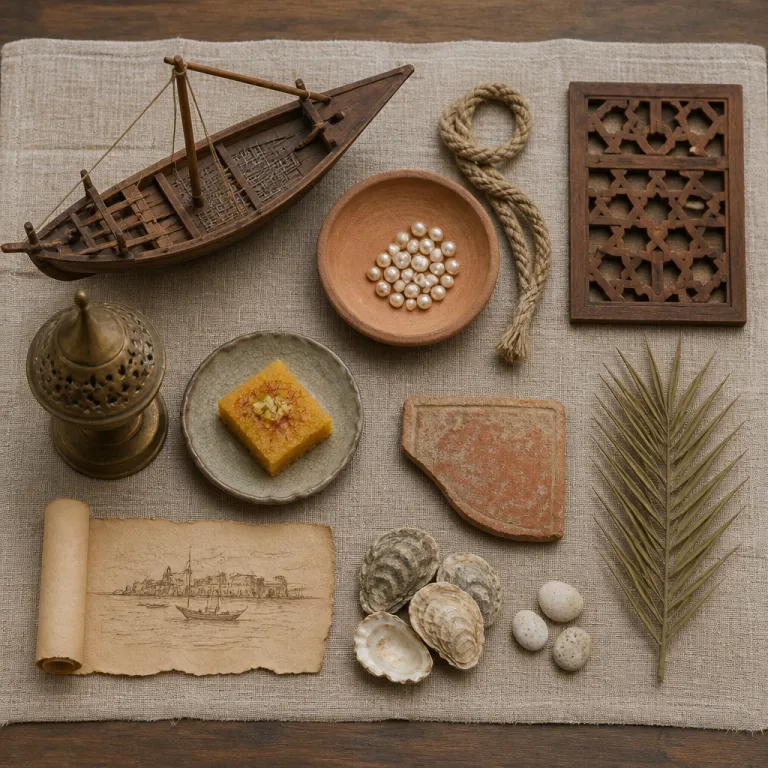
Why Muharraq, not just Manama, defines Bahrain’s living heritage
Most luxury travelers base themselves in Manama, then treat Muharraq as a quick photo stop. Yet the real muharraq bahrain heritage culture sits across that short causeway, in streets where pearl divers once walked home from the sea. This is the city where the island’s pearling economy, religious life, and domestic architecture formed a coherent culture that still shapes Bahrain today.
UNESCO’s recognition of the pearling history anchored Muharraq as more than a satellite city of manama bahrain. The designation formalised what Bahrain cultural historians already knew, that this compact city concentrates the country’s most important heritage buildings and culture antiquities in a walkable grid. For travelers choosing a hotel, understanding this geography is essential because your base will determine whether you experience Bahrain as a generic Gulf stopover or as a layered trading hub with ongoing stories.
The muharraq bahrain heritage culture narrative is not curated behind velvet ropes only. It lives in restored house complexes, in public spaces where families gather at dusk, and in the quiet courtyards of religious buildings that still host ceremonies. When you compare this to the more manufactured heritage districts elsewhere in the Gulf, Muharraq’s mix of rehabilitation, daily life, and subtle revitalisation muharraq projects feels disarmingly authentic.
Key actors reinforce that authenticity through careful authority culture management. The Bahrain Authority for Culture and Antiquities, often referred to simply as the bahrain authority, coordinates with UNESCO, local historians, and architects to guide each heritage project. Their work, supported by international partners such as the Aga Khan Trust for Culture, ensures that new interventions respect both the city’s archaeologies green layers and its contemporary needs.
For hotel guests, this means you can sleep in a polished tower in manama bahrain yet spend your days in streets where the island’s history actually lives. Or you can choose properties that lean into the pearling story and make Muharraq your primary base, accepting slightly longer transfers in exchange for deeper cultural immersion. Either way, the decision you make on mybahrainstay.com about where to stay will shape how fully you connect with muharraq bahrain heritage culture during your trip.
Walking the Pearling Path: Bahrain’s most meaningful 3.5 kilometres
The Pearling Path is the spine of muharraq bahrain heritage culture, a 3.5 kilometre route that links sea, souq, and historic house complexes. Officially described as “A 2.2-mile trail connecting historical pearling sites in Muharraq.”, it threads through lanes where merchants once negotiated fortunes in natural pearls. For a solo explorer, this path offers the clearest way to understand how the city’s economy, domestic life, and religious practice intertwined.
Plan to walk the pearling path early in the morning, especially during hotter months when the light is soft and the alleys are quiet. The route passes restored merchant buildings, modest family homes, and public spaces that have been carefully upgraded through ongoing rehabilitation projects. Along the way, interpretive panels explain how pearl divers, traders, and families shaped Bahrain’s culture antiquities without turning the city into an open air museum.
Several sections of the path reveal how archaeologies green thinking has influenced design. Shaded walkways, a discreet green pavilion, and small planted courtyards cool the microclimate while referencing traditional passive ventilation. These green interventions are not decorative only, they are part of a broader revitalisation muharraq strategy that treats heritage as a living urban project rather than a static backdrop.
Key houses along the route, such as former pearl merchant residences, now operate as cultural centres and exhibition spaces. Here, multimedia installations use historical documents and oral histories to explain how pearl divers and merchants once dominated the Gulf economy. One of the most insightful stops is Bin Matar House, featured in many heritage stays in Bahrain guides, and you will find more context in our dedicated piece on hotels that lean into the pearling past.
Wear comfortable shoes and allow at least three hours if you want to pause in cafés, step into restored buildings, and absorb the rhythm of daily life. The Bahrain Authority for Culture and Antiquities offers guided tours at selected times, while independent travelers can follow the marked path using printed maps or digital guides. Either way, walking the pearling path turns abstract talk of muharraq bahrain heritage culture into a tangible, paced experience that stays with you long after you leave.
From house museums to living rooms: where heritage and daily life meet
What sets Muharraq apart is the way heritage buildings sit within a functioning city rather than a staged precinct. A restored house might host an exhibition in one wing while a family lives next door, sharing the same alley and public spaces. This proximity between curated culture and everyday life gives muharraq bahrain heritage culture a texture that polished museum districts rarely achieve.
The work of the Bahrain Authority for Culture and Antiquities, often abbreviated as the bahrain authority, focuses on rehabilitation that respects existing communities. Instead of clearing entire blocks, projects target specific buildings, courtyards, and lanes, stitching them into an ongoing revitalisation muharraq narrative. You see this in the way new paving, subtle lighting, and green pockets appear without erasing the patina of age on coral stone walls.
Several heritage house complexes now operate as cultural hubs under the umbrella of the Sheikh Ebrahim Center for Culture and Research. Within this network, the Khalifa Center and other restored houses host talks, exhibitions, and performances that keep Bahrain cultural conversations rooted in place. The centre’s work, often referred to simply as the center culture programme, turns former merchant homes into platforms where contemporary artists and historians engage directly with the city’s past.
One of the most atmospheric stops is a traditional halwa kitchen tucked behind the old souq, where the scent of cardamom and rosewater drifts into the lane. Here, muharraq bahrain heritage culture is not explained on a panel, it is stirred in copper pots as it has been for generations. Nearby, small shops selling textiles and incense remind you that merchants still trade in these streets, even if the cargo has shifted from pearls to perfumes and fabrics.
For hotel guests, this blend of house museums and lived in homes means your cultural itinerary should include time to sit, not only to see. Choose a café terrace overlooking a restored square, watch children play under the shade of a green pavilion, and notice how public spaces are used by residents rather than staged for visitors. This is where Bahrain steps away from the region’s more theatrical heritage projects and offers something quieter, more confident, and ultimately more rewarding.
Aga Khan projects and the quiet architecture of trust
Behind many of Muharraq’s most thoughtful interventions stands a partnership between local institutions and the Aga Khan Trust for Culture. This collaboration has turned a series of scattered restorations into a coherent project that respects both heritage and contemporary urban life. For travelers interested in architecture, it is one of the clearest expressions of muharraq bahrain heritage culture in built form.
The Aga Khan Trust, sometimes shortened in discussions to the khan trust, works closely with the Bahrain Authority for Culture and Antiquities on rehabilitation strategies. Together, they have focused on buildings along the pearling path and adjacent streets, ensuring that each house, courtyard, and lane contributes to a wider revitalisation muharraq vision. Their approach emphasises award architecture that serves residents first, then visitors, building long term trust between institutions and the community.
Several projects associated with the aga khan network have received international recognition, including the prestigious Aga Khan Award for Architecture. This khan award highlighted how modest interventions in public spaces, shaded walkways, and restored houses can transform a city’s relationship with its past. In design terms, the work balances archaeologies green sensitivity with contemporary needs, introducing discreet green pavilion structures and planting without overwhelming the historic fabric.
When you walk through these quarters, you will notice how the bahrain aga collaboration avoids spectacle. There are no oversized gestures, only careful repairs, new timber screens, and subtle lighting that respects the scale of traditional buildings. This restraint reinforces the sense that muharraq bahrain heritage culture is being stewarded rather than packaged, a distinction that matters if you value authenticity over theatrics.
Hotel guests who care about architecture should ask concierges for routes that pass through these award winning zones. Some luxury properties now offer guided walks that explain the role of the aga khan initiatives, the bahrain authority, and local craftsmen in shaping the city you see today. For independent travelers, our broader guide to cultural landmarks for discerning travelers provides context so you can read the streets with informed eyes.
Choosing the right hotel base for a Muharraq focused stay
Where you sleep shapes how you experience muharraq bahrain heritage culture, especially if you are in Bahrain for only a few nights. Many luxury travelers default to manama bahrain for its skyline views, dining options, and easy transfers, then treat Muharraq as a half day excursion. That approach works, but it often leaves guests feeling they skimmed the surface of a city that rewards slower attention.
If you prefer a classic urban resort experience with heritage on tap, base yourself in Manama and plan repeated forays into Muharraq. Properties such as the K Hotel in Juffair, which we review in detail in our guide to an elegant stay in Manama’s vibrant Juffair district, offer strong service and easy access to the causeway. From there, early morning taxi rides put you on the pearling path before the heat builds, allowing you to walk, pause in shaded public spaces, then retreat to your pool by midday.
Travelers who prioritise immersion over convenience might choose smaller heritage leaning properties closer to Muharraq’s historic core. While these may not match the amenity stack of larger city hotels, they place you within walking distance of key house museums, the Sheikh Ebrahim cultural network, and evening gatherings in upgraded squares. For a solo explorer, being able to step out at dusk and wander lanes where families sit outside, children play, and the call to prayer threads through the air can be more valuable than another rooftop bar.
When evaluating hotels on mybahrainstay.com, look for properties that actively engage with muharraq bahrain heritage culture rather than simply listing proximity. Ask whether the concierge team can arrange guided walks with local historians, visits to khalifa center events, or introductions to artisans still working in the old souq. The best hotels act as bridges between guests and the city’s ongoing rehabilitation story, not just as comfortable bubbles with a taxi card on the desk.
Finally, consider timing your visits to Muharraq around the rhythm of the day rather than squeezing everything into a single outing. Early mornings suit the pearling path and architectural photography, late afternoons are ideal for cafés and house exhibitions, and evenings reveal how residents actually use the revitalised public spaces. Build this cadence into your itinerary and your hotel choice will feel like part of a coherent muharraq bahrain heritage culture journey rather than a separate, insulated experience.
How Muharraq reframes Bahrain in the Gulf travel landscape
Spend time in Muharraq and Bahrain stops feeling like a smaller version of its louder neighbours. The muharraq bahrain heritage culture narrative, anchored in pearling, modest scale, and lived in streets, positions the island as a counterpoint to more theatrical Gulf destinations. For luxury travelers used to curated experiences, this quiet confidence can be disarming in the best way.
Unlike manufactured heritage quarters built from scratch, Muharraq’s fabric carries the weight of real time. The city’s buildings, from coral stone houses to simple mosques, bear traces of salt, wind, and incremental rehabilitation rather than wholesale reconstruction. Ongoing projects by the bahrain authority and partners such as the aga khan network focus on revitalisation muharraq efforts that keep residents in place, reinforcing trust between institutions and communities.
This approach has implications for how you plan your stay. Instead of ticking off a checklist of monuments, you structure days around walks, conversations, and pauses in shaded public spaces where archaeologies green design meets daily life. A morning might start on the pearling path, continue through a sequence of house museums under the Sheikh Ebrahim center culture umbrella, then end with coffee near a green pavilion where teenagers gather after school.
For hotel guests, engaging with muharraq bahrain heritage culture also means recognising the people behind the story. Pearl divers, merchants, and families who once depended on the sea are now represented in exhibitions, oral histories, and community events curated by Bahrain cultural institutions. Guided tours, educational programmes, and multimedia installations use historical documents and contemporary technology to ensure that this heritage feels relevant rather than nostalgic.
In a region where newness often dominates marketing, Muharraq offers a different kind of luxury, time. Time to walk slowly, to read façades, to sit in courtyards where the past is present but not frozen. Choose your hotel with that in mind and Bahrain becomes not just another stop on a Gulf itinerary, but the place where the story of the pearling city, the house, and the sea finally makes sense.
FAQ
What is the Pearling Path in Muharraq ?
The Pearling Path is a 3.5 kilometre heritage trail running through Muharraq’s historic core. Officially described as “A 2.2-mile trail connecting historical pearling sites in Muharraq.”, it links former pearl merchant houses, religious buildings, and sections of the old souq. Walking it gives visitors a structured way to experience muharraq bahrain heritage culture in a single, coherent route.
How long should I plan to spend in Muharraq ?
Allow at least half a day for a first visit, with three to four hours dedicated to the Pearling Path and nearby house museums. Travelers who care deeply about architecture and culture antiquities often return for a second morning or evening to explore smaller lanes and public spaces. If your schedule allows, spreading your Muharraq time over two days gives a more relaxed, immersive experience.
Is Muharraq easy to reach from hotels in Manama ?
Yes, Muharraq sits just across a causeway from central manama bahrain, and most hotels can arrange taxis or private transfers. The drive from major luxury properties typically takes 15 to 25 minutes depending on traffic. Many guests choose to stay in Manama for amenities, then make repeated trips into Muharraq for heritage focused walks.
What should I wear for walking tours in Muharraq ?
Opt for light, breathable clothing that respects local norms by covering shoulders and knees. Comfortable walking shoes are essential because the pearling path and surrounding streets involve uneven surfaces and occasional steps. A hat, sunglasses, and a refillable water bottle make early morning or late afternoon walks far more pleasant.
Do I need a guide to appreciate Muharraq’s heritage sites ?
You can explore independently using maps and on site signage, which provide solid context for most visitors. However, guided tours led by local historians or Bahrain Authority for Culture and Antiquities staff add layers of social, economic, and architectural detail. For travelers particularly interested in muharraq bahrain heritage culture, a guided walk on your first visit can transform how you read the city for the rest of your stay.