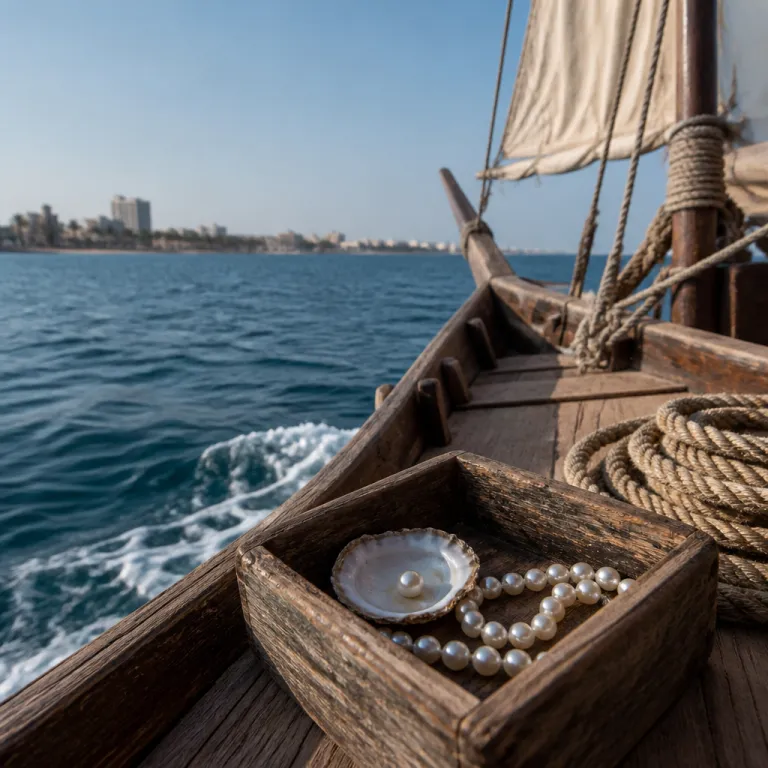
The waters that made Bahrain: geography of pearling and the dhow
Step onto a traditional dhow off Manama and the island’s outline suddenly makes sense. The low sweep of Bahrain across the Arabian Gulf sits between historic oyster beds and the trade routes that once carried pearls to Bombay, Basra and beyond, turning this small territory into a maritime crossroads. A modern dhow trip that explores Bahrain’s pearl trading heritage is not just a scenic cruise; it is a moving lesson in how natural pearls, wind patterns and shallow banks shaped the main chapters of the island’s economy.
These waters differ from much of the wider Gulf region because the seabed here is dotted with long established oyster beds in relatively shallow depths. Historical records, including early 20th century accounts by British political agents such as C. G. Prior and H. R. P. Dickson, describe pearl divers reaching around 12 fathoms (about 22 metres) using only stone weights and nose clips, and that combination of depth, clarity and salinity produced Bahraini pearls that were prized above many other Gulf pearls. When you sail north from Manama or east towards Amwaj, your dhow traces the same lanes that pearling dhows once followed during every diving season, when the entire economy pivoted around pearl hunting and the risks taken by each diver.
The contrast with other parts of the Persian Gulf is subtle but important. Bahrain’s position between the deeper channels of the Arabian Gulf and its sheltered inshore banks meant that dhows could reach natural pearl grounds within a day, then return to Muharraq or Manama before the sea turned rough. That proximity allowed families to stay relatively close, so women, merchants and boat builders remained tightly joined to the work of pearl divers, and the island’s house compounds evolved around this rhythm of departure and return. For a luxury traveler, understanding this geography turns a simple dhow outing into a frame for reading every shoreline hotel, every harbor café and every restored pearling house you pass.
Walking the Pearling Path, sailing its echo
Before you board any dhow, walk the Pearling Path in Muharraq, the UNESCO listed 3.5 kilometer trail that threads through merchant houses, warehouses and former pearl traders’ offices. Inscribed on the World Heritage List in 2012, the route explains how natural pearls moved from divers’ baskets to counting rooms, and how the pearling Arabian trade financed mosques, courtyard houses and the social life that still animates these lanes. When you later step onto a pearling dhow, the sight of Muharraq’s skyline from the water connects each restored house façade to the sea that paid for it.
Several luxury and premium hotels now curate this link between land and water with care. Properties in Manama’s old quarters and on Muharraq’s edges work with licensed dhow captains, experienced pearl divers and heritage guides to offer structured pearl diving excursions that begin with a guided walk along the Pearling Path and end with tea or coffee on deck as the sun drops behind the capital. For a deeper look at heritage focused stays that lean into this narrative, the dedicated guide to heritage hotels shaped by the pearling past is an essential planning tool.
On board, the storytelling usually starts with the years when Bahrain’s economy depended almost entirely on the Gulf and its oyster beds. Guides explain how each member of the crew had a defined role, from the lead diver to the hauler and the singer whose chants set the pace for work, and how women on shore managed finances, households and seasonal migrations while the men were at sea. One veteran guide sums it up simply as you pass Muharraq’s restored compounds: “Every arch and courtyard you see from this deck was paid for in breath held under water,” a reminder that the architecture feels less like a museum and more like a living extension of the pearling season.
What a modern dhow day at sea really feels like
A contemporary dhow trip focused on Bahrain’s pearl trade usually begins from marinas near Amwaj Islands, Manama’s northern shore or Muharraq’s older harbors. You board a wooden dhow that keeps the silhouette of traditional sailing vessels but adds shaded decks, safety gear and chilled water, then head out towards the historic pearl diving grounds that once anchored Bahrain’s economy. The day unfolds slowly; the pace is closer to the old pearling season than to a high speed watersports outing.
Once the dhow reaches calmer waters, the crew explains the basics of pearl diving and demonstrates how divers once used stone weights and nose clips to reach the seabed. Licensed tours now allow guests to snorkel above former oyster beds, sometimes joining supervised pearl hunting experiences where you can open a handful of shells and understand how rare a single natural pearl really was compared with today’s cultured pearls. The contrast between the physical effort of the divers and the quiet luxury of your shaded deck is striking, and it underlines why the discovery of oil in the 1930s and the spread of Japanese cultured pearls around the same decade transformed the Gulf region’s economy so dramatically.
On some itineraries, the dhow anchors long enough for a leisurely swim and a simple onboard meal, with tea or coffee served in the traditional style while the crew answers questions about the peak years of pearling and the shift from natural pearls to cultured pearls in the wider Persian Gulf. This is where the experience diverges from manufactured attractions; the sea, the wind and the stories do the work, not choreographed entertainment. For travelers interested in how Bahrain’s historic hotels are adapting this heritage, the analysis of Manama’s oldest hotel and its restoration shows how hospitality spaces on land are starting to echo the textures and rhythms of the pearling dhow.
Practical notes: what to know before you sail
Most heritage focused dhow cruises depart in the cooler months, typically from late October to April, when sea temperatures and visibility are closest to the traditional diving season and conditions are kinder for snorkeling. Expect half day trips to last three to five hours, with prices for small group excursions often starting around the mid to upper double digits in US dollars per person, depending on inclusions such as meals and guided walks. Licensed operators follow Bahrain’s maritime safety regulations, provide life jackets and basic first aid equipment, and usually brief guests on sun protection, modest swimwear and what to bring, from reef safe sunscreen and a light cover up to a waterproof pouch for phones and a change of clothes for the ride back to Manama or Muharraq.
Hotels that understand the pearling narrative
Not every luxury property in Bahrain treats the Gulf as more than a view, so your choice of hotel matters if you want a meaningful dhow based pearl heritage experience. The most interesting addresses act as cultural interpreters, pairing guests with dhow captains, pearl divers and heritage guides who can connect a day at sea to the island’s broader story. These hotels tend to be in Manama’s older quarters, on Muharraq’s waterfront or on islands like Amwaj that sit close to the traditional sailing routes.
Look for concierge teams that speak fluently about the pearling season, the geography of the Arabian Gulf and the role of Bahraini pearls in the pre oil economy. They should be able to arrange private or small group pearling dhow charters that avoid the most crowded routes, time departures to suit the diving season and tidal patterns, and suggest pre or post cruise walks through Muharraq’s historic house clusters. When a property’s staff can explain why Bahrain became a key source for natural pearls while other ports focused more on transit trade, and can point to current licensed tour operators who follow national safety standards, you know you are in the right place.
New developments in the Gulf region are also reshaping how hotels engage with the sea. Projects on Amwaj Islands, including those highlighted in the report on what the Amwaj luxury market signals, show how international brands are starting to integrate curated marine experiences alongside spa menus and rooftop bars. The most thoughtful properties treat pearl diving excursions, visits to Muharraq and even simple tea or coffee rituals on deck as core parts of their identity, not optional extras, and they work with local partners to ensure that women, boat builders and long time crew members remain active participants in this revived pearling Arabian story.
Season, Jarada Island and the argument for earned authenticity
Timing your dhow trip with a pearl trade focus is as important as choosing the right hotel. The traditional diving season once ran for several months when sea temperatures and visibility favored pearl diving, and while tourism has softened those edges, there are still periods when conditions are kinder to swimmers and snorkelers. Calm seas, clear water and moderate heat make it easier to appreciate the Gulf’s subtleties rather than simply enduring the elements.
Many premium itineraries now weave Jarada Island into the day, a tidal sandbar that appears at low tide about 40 minutes by boat from Amwaj. Arriving there on a dhow rather than a speedboat slows the approach, giving you time to watch how the Arabian Gulf’s color shifts from harbor green to open water blue before the pale sand of Jarada rises ahead. Spending a few hours on this temporary island, then sailing back across former oyster beds, reinforces how closely Bahrain’s identity is tied to the sea’s moods and to the fragile ecology that once sustained pearl divers and their families.
This is where the experience stands apart from more manufactured versions of luxury elsewhere in the Gulf region. A pearling dhow outing offers no choreographed fountains or indoor ski slopes; its value lies in the stories of divers, the role of women in managing households during long absences, and the way the discovery of oil shifted wealth away from natural pearls yet never erased their cultural weight. As one heritage guide likes to tell guests while the anchor lifts, “If you understand why the last great pearling fleets faded in the 1930s, you understand why Bahrain looks the way it does today,” a succinct reminder that the island’s modern skyline still rests on the memory of its pearl banks.
FAQ
What makes a dhow trip in Bahrain different from other Gulf cruises?
A dhow trip in Bahrain runs across historic pearl diving grounds that once underpinned the island’s entire economy. The routes pass near traditional oyster beds north of Bahrain and along the approaches to Muharraq, where merchants, pearl divers and their families lived in tightly knit house compounds. This combination of geography and history means the same day at sea can include storytelling about natural pearls, the shift to cultured pearls and the social fabric of the pearling season.
When is the best season for a dhow and pearl themed experience?
Conditions are most comfortable when sea temperatures and visibility echo the traditional diving season, which historically stretched over several warm months. During these periods, the Arabian Gulf is calm enough for snorkeling above former oyster beds and for relaxed time on deck without harsh midday heat. Luxury hotels that understand the pearling narrative will help you choose specific days and departure times that match tides, wind and your tolerance for sun.
Can non divers safely join a pearl diving themed dhow excursion?
Licensed operators design dhow itineraries so that non divers can participate through snorkeling, surface swimming or simply watching demonstrations of pearl diving techniques. Safety briefings, life jackets and shaded areas on deck are standard, and guests can choose whether to enter the water or stay aboard while crew members show how traditional divers once descended to the seabed. This flexibility makes the experience suitable for couples with different comfort levels in the water while still conveying the effort behind every natural pearl.
Which areas or hotels are best for booking these dhow experiences?
Most pearling focused dhow trips depart from marinas near Manama, Muharraq and Amwaj Islands, where access to historic sailing routes and oyster beds is straightforward. Hotels that emphasize Bahrain’s maritime heritage, especially those close to the Pearling Path or with established relationships with dhow captains, are better placed to arrange thoughtful excursions. When researching options, look for concierge teams who speak specifically about Bahraini pearls, the pearling season and the cultural role of the Gulf rather than offering generic boat tours.
How does a dhow trip connect to other cultural landmarks in Bahrain?
A day on a dhow complements visits to the Pearling Path in Muharraq, Manama’s historic quarters and restored merchant houses that once handled the trade in natural pearls. Seeing these landmarks first from land and then from the water helps you understand how the island’s urban fabric grew around the pearling economy and the Arabian Gulf’s shipping lanes. Many travelers pair a morning walk through heritage districts with an afternoon dhow outing, using their hotel as a base that bridges both sides of this maritime story.