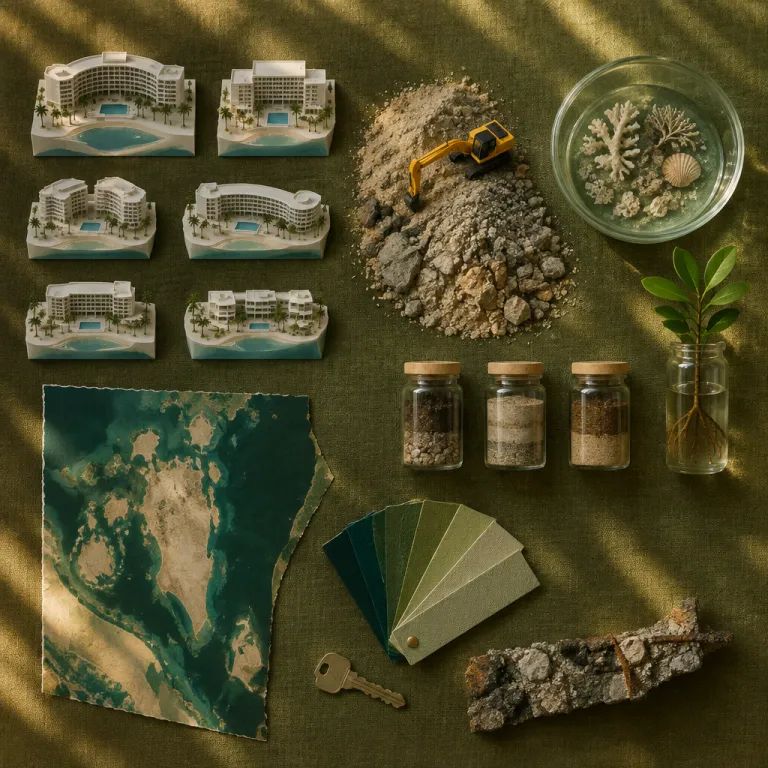
World Tourism Day and the quiet tension behind Bahrain’s hotel boom
World Tourism Day lands in Bahrain just as the cranes keep moving. The tourism sector now counts more than 24,000 rooms across roughly 140 properties, with a pipeline of new luxury and premium hotels that will reshape tourism Bahrain for the next decade. For a solo tourist who cares about cultural heritage and the environment as much as a rooftop pool, this is the moment to ask what bahrain sustainable tourism really means in practice.
The island’s selling point has always been scale and heritage rather than spectacle. Bahrain’s tourism industry leans on UNESCO listed burial mounds, the pearling trail in Muharraq, and Manama’s souq rather than a single mega mall, yet the tourism development pipeline sometimes reads like a copy paste from larger Gulf neighbours including Saudi Arabia. As the tourism sector grows, the question is whether sustainable tourism strategies will protect these sites or simply frame them as background décor for generic five star business hotels.
For the premium traveller, quality of service is no longer just about thread count. It is about whether hotel management treats sustainability as a core part of business management or as a marketing flourish added to digital marketing campaigns around World Tourism Day. When you choose where to stay in Bahrain, you are quietly voting on which version of tourism development wins — the one that respects cultural heritage and human rights, or the one that chases the highest occupancy at any cost to the environment.
Where growth helps: restoration, jobs and a more resilient island economy
Not all expansion is a threat to bahrain sustainable tourism, and some of it is overdue. New premium properties have helped fund the restoration of heritage houses in Muharraq, supported the conservation of burial mounds on the main island, and pushed for better public transport links that benefit residents as much as any tourist. When the tourism sector is managed with clear development goals, hotel business models can align with national sustainable development priorities rather than work against them.
Bahrain Tourism and Exhibitions Authority has been steering the tourism industry toward premium tourism and MICE, and that shift can raise the overall quality of service. Higher yielding guests give hotels more room to invest in staff training, energy efficient systems, and waste management that actually protects the environment instead of exporting the problem to landfills. The new sustainability mandate for hotels, analysed in depth in the unified eco pact and Bahrain’s hotels sustainability mandate, is slowly turning sustainability from a voluntary gesture into a state art of regulation that rewards serious strategies over glossy brochures.
There is also a story of international cooperation behind the scenes. Bahrain’s tourism development teams work with international organisations on sustainable tourism study projects, sharing data on visitor flows, cultural heritage protection, and environment impact assessments that inform future marketing strategies. For travellers, this means that choosing a hotel with credible sustainability certifications is not just a feel good move ; it supports a tourism Bahrain business ecosystem that is trying to balance growth, jobs, and long term resilience.
Where growth hurts: generic luxury and the risk of losing the island’s voice
The other side of the boom is less flattering for bahrain sustainable tourism. Some new hotels arrive with imported concepts, international management teams, and a design language that could sit as easily in Riyadh or Dubai as on an island with millennia of heritage. When every lobby looks the same, the tourism industry drifts toward a bland, placeless sector that treats Bahrain as a backdrop rather than a protagonist.
This is where responsible luxury becomes a litmus test for sustainable tourism in Bahrain. Properties that take cultural heritage seriously commission local artists, integrate references to the pearling past, and train staff to speak about nearby sites rather than only about in house facilities, while others rely on digital marketing to sell a fantasy that never leaves the infinity pool. Our long form analysis of sustainable luxury in the Gulf asks whether sustainability is real practice or laminated paperwork, and Bahrain’s hotel boom sits squarely in that debate.
For a solo tourist, the difference is tangible from the moment you check in. Hotels that embed sustainability into business management will talk openly about water use, waste separation, and energy systems, and they will invite suggestions and complaints about their sustainability performance as part of normal guest service. Those that treat sustainability as a marketing afterthought will offer a single reusable bottle and call it a day, even as they expand built up sites along the coast in ways that strain the environment and undercut the island’s long term development goals.
How to book with intent: using your reservation as a sustainability vote
World Tourism Day is an ideal moment to rethink how you choose a room in Bahrain. Start by reading beyond the headline claims and look for concrete sustainable tourism actions, such as grey water systems, local hiring policies, and partnerships with cultural heritage organisations that maintain sites like the burial mounds and the pearling trail. A hotel that publishes an annual sustainability study, responds transparently to suggestions and complaints, and links its strategy to the United Nations sustainable development goals is usually taking the agenda seriously.
Next, consider how the property positions itself within the wider tourism Bahrain ecosystem. Does its digital marketing highlight only private beaches and imported restaurants, or does it also guide you toward public cultural events on the tourism calendar, local cafés in Muharraq, and independent galleries in Manama that keep tourism revenue circulating in the community ? If you are planning a longer stay or remote work trip, our guide to working from Bahrain and the hotels built for the long stay can help you find properties where sustainability, service quality, and thoughtful management align.
Finally, remember that bahrain sustainable tourism is not just about the environment ; it is about people. Ask how the hotel approaches human rights in its supply chain, whether it supports staff training and fair wages, and how its business management strategies contribute to inclusive tourism development rather than displacement. Your booking becomes a quiet form of international cooperation, signalling to both Bahrain and neighbouring Saudi Arabia that the highest standard of luxury is now measured in responsibility as much as in marble.
FAQ
How can I tell if a Bahrain hotel is genuinely sustainable ?
Look for specific, verifiable actions rather than vague claims about sustainability. Serious properties publish clear information on energy use, water management, and waste reduction, and they often link their programmes to recognised sustainable development goals. You should also see evidence of engagement with local heritage sites and communities, not just internal efficiency measures.
Which areas of Bahrain are best for heritage focused sustainable stays ?
Muharraq is ideal if you want to stay close to the pearling trail and restored heritage houses that anchor Bahrain’s cultural narrative. Manama’s older districts near the souq also offer access to traditional markets, religious sites, and galleries that keep tourism spending within long standing neighbourhoods. When you book, choose hotels that highlight these cultural heritage assets in their marketing rather than only promoting isolated resort facilities.
Does choosing a large international hotel chain help or hurt sustainability ?
Large international brands often have strong sustainability frameworks, but their impact in Bahrain depends on local implementation. Chains that adapt their management strategies to Bahrain’s environment, heritage, and tourism calendar can support sustainable tourism, while those that import a generic model risk erasing local character. Always compare how a chain property engages with Bahrain’s tourism sector against how smaller local operators work with communities and public institutions.
How does Bahrain’s hotel growth compare with neighbouring Saudi Arabia ?
Bahrain is expanding its tourism industry, but on a far smaller scale than Saudi Arabia’s mega projects. The island’s challenge is to use this growth to strengthen its identity as the Gulf’s historic trading hub rather than mimic regional development models. For travellers, this means there is still a realistic chance to support hotels that prioritise authenticity, environment protection, and community benefit.
What role does World Tourism Day play for travellers choosing hotels ?
World Tourism Day is a prompt for travellers to reassess how their choices affect destinations like Bahrain. Many hotels use the date to highlight new sustainability initiatives, publish study findings, or refine marketing strategies around responsible travel. It is a good moment to compare properties, ask direct questions about their sustainable tourism commitments, and align your booking with the version of Bahrain you want to see thrive.