The fragile state of Bahrain’s reefs and why hotels matter
Bahrain’s coral reefs sit closer to the shore than many guests realise. These coral formations endure extreme water temperatures, desalination brine and constant pressure from coastal development along the island’s low shoreline. For anyone comparing a bahrain reef conservation hotel marine option with a conventional resort, the health of nearby marine ecosystems should be part of the decision.
The reefs here are not the caribbean postcard cliché, yet they shelter resilient marine life that has adapted to high salinity and heat. When you read any environmental report on the Gulf, you will see the same pattern repeated ; coral reefs are stressed by climate change, sediment from infrastructure marine projects and the cumulative impact of hotels resorts built hard against the ocean. A healthy reef in Bahrain is now the exception, not the rule, which makes every conservation effort count.
Coral reef systems off Bahrain’s main island have already lost significant cover, while some artificial reefs show mixed results. Poorly planned artificial reef projects can smother existing coral or alter currents, but well coral engineering can create new habitat for marine life and support long term restoration. As Bahrain’s tourism strategy leans into a maritime pillar, the best hotel operators are being pushed to treat marine conservation as seriously as room design or service standards.
Which luxury hotels sit near sensitive reefs – and how they behave
Most luxury hotels in Bahrain cluster along Manama’s northern shore and the west coast, where shallow reefs and seagrass beds lie just beyond the breakwaters. A few hotels resorts extend over reclaimed land, bringing guests closer to the ocean while placing more pressure on nearby marine ecosystems. When you weigh a bahrain reef conservation hotel marine choice, ask how the property manages lighting, wastewater and boat traffic around any remaining reef structures.
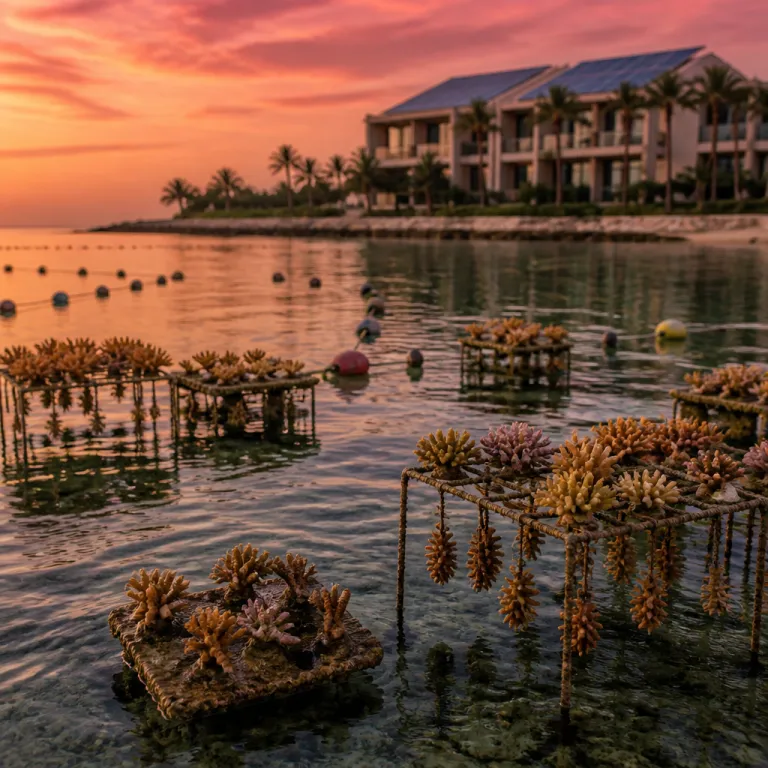
On the west coast, several high end properties market sunset views over the water without mentioning the coral reefs beneath those horizons. Some now fund coral restoration pilots, installing small artificial reef modules offshore and monitoring marine life with local scientists. The most credible hotels publish an annual sustainability report, track their impact on marine conservation and invite guests to read clear data rather than glossy marketing post cards.
Within Manama, a few urban hotels use their hotel spa as an education hub, linking wellness with nature by supporting reef themed art and talks about climate change in the Gulf. These initiatives may feel modest compared with caribbean style marine parks, yet they signal a shift toward responsibility in Bahrain. For a deeper look at which suites and properties align luxury with ethics, explore this curated guide to Bahrain’s most indulgent rooms before you book.
Hawar Island and the sanctuary model for marine stewardship
Hawar Island, off Bahrain’s southern coast, offers a different template for the bahrain reef conservation hotel marine equation. Designated as a wildlife sanctuary, this island hosts nesting birds, seagrass meadows and coral reefs that still feel relatively intact compared with those near Manama. The Mantis resort here operates under strict rules that limit coastal development, boat speeds and night lighting to protect marine life.
Staying on Hawar Island means accepting that nature sets the schedule, not the other way around. You might read tide charts instead of shopping hours, planning kayak trips over shallow reefs where dugongs and turtles sometimes graze. The resort’s team works with conservation partners to monitor coral reef health, track climate change indicators and support coral restoration in zones where a healthy reef can still recover.
Guest activities lean toward low impact experiences such as guided snorkelling, bird watching and educational walks that explain how marine ecosystems link to desert habitats. Unlike some caribbean islands, there is no party strip here ; the luxury is silence, clear water and the feeling of contributing to marine conservation rather than eroding it. For travellers who care about the future of Bahrain’s reefs, Hawar’s sanctuary model shows how hotels, resorts and infrastructure marine planning can coexist with a living reef.
The desalination paradox, Eco-Pact rules and hotel water use
Every guest who showers in a Bahrain hotel relies on desalinated water drawn from the same ocean that sustains coral reefs. Desalination plants discharge hot, salty brine back into the sea, stressing marine ecosystems already coping with climate change and pollution. This is the quiet paradox at the heart of any bahrain reef conservation hotel marine strategy ; luxury hospitality needs water, yet water production can harm the reef.
Bahrain’s Unified Eco-Pact tightened rules on coastal development, limiting new hotels in sensitive zones and forcing existing properties to upgrade wastewater systems. Some leading hotels now publish a water use report, invest in greywater recycling and work with engineers to reduce the salinity and temperature of effluent entering the ocean. If you want to go deeper, this analysis of how Bahrain’s hotels manage scarce water explains the technical side in clear language.
Guests can influence this system by choosing hotels that link water efficiency with marine conservation, not just cost savings. Look for properties that support marine life monitoring near outfalls, fund research into artificial reefs that can withstand altered conditions and engage with regional peers from the Arab Emirates and the wider United Arab Gulf coast. When enough travellers reward these practices, the long term future of Bahrain’s coral reefs looks less precarious.
How guests can support reef friendly hotels before, during and after a stay
Responsible travel in Bahrain starts long before you step into a lobby. When you read hotel descriptions, look beyond the hotel spa menu and grand prix weekend packages to find concrete commitments to marine conservation. A credible bahrain reef conservation hotel marine choice will explain how it protects nearby reefs, supports coral restoration and manages boat access to fragile sites.
Once on the island, choose snorkelling or diving operators who brief guests on reef etiquette, insist on reef safe sunscreen and avoid anchoring directly on coral. Ask guides about local marine ecosystems, from seagrass beds to artificial reef structures, and how climate change is reshaping marine life patterns in the Gulf. If an operator cannot answer basic questions about coral reef protection, take that as a clear report card on their priorities.
After your stay, use your voice where it counts most ; in detailed reviews and direct feedback to management. Mention specific actions you observed, such as reduced plastic use, support for healthy reef monitoring or partnerships with universities from the United Kingdom that study coral reefs in extreme environments. Your post stay comments help the best hotels stand out, push others to improve and keep Bahrain’s quiet marine protection effort moving in the right direction.
FAQ
Which areas in Bahrain still have relatively healthy coral reefs ?
The most resilient coral reefs tend to be around offshore islands and less developed southern waters. Parts of Hawar Island and nearby reef systems still show well coral structures and more diverse marine life. Conditions change, so always check recent conservation updates before planning snorkelling or diving.
How can I tell if a hotel genuinely supports marine conservation ?
Look for transparent sustainability reporting, partnerships with recognised marine conservation organisations and clear information about coral restoration or artificial reef projects. Serious hotels describe how they manage wastewater, boat traffic and lighting to protect marine ecosystems. If details are vague, the commitment is usually shallow.
Is snorkelling in Bahrain suitable for beginners ?
Yes, many shallow reef areas near the main island and Hawar Island suit beginners when conditions are calm. Choose operators who provide proper briefings on reef friendly behaviour and safe distances from coral. Calm mornings with good visibility offer the best introduction to Bahrain’s marine life.
Does the Formula 1 grand prix affect Bahrain’s marine environment ?
The grand prix itself takes place inland, so direct impact on coral reef habitats is limited. However, increased visitor numbers can raise pressure on hotels resorts, water use and coastal activities during the event period. Choosing environmentally responsible properties during race season helps reduce indirect stress on marine ecosystems.
Are Bahrain’s reefs comparable to those in the Caribbean ?
Bahrain’s coral reef systems differ significantly from caribbean reefs in species composition, water temperature and visibility. The Gulf’s extreme conditions mean coral communities are hardier but often less visually dramatic. Travellers should approach Bahrain’s reefs as a unique ecosystem rather than expecting caribbean style scenes.