What sustainable luxury really means in Bahrain’s hotel scene
In Bahrain, environmentally conscious high-end stays are defined by details guests can feel, not just by a green logo on the booking page. A genuinely responsible luxury hotel in Bahrain is less about a glossy badge and more about how the room is cooled, how the pool is filtered, and how the resort manages every litre of desalinated water. When you book a star hotel or a refined hotel in Manama, the most meaningful eco decisions often sit behind the view and the service you see on the surface.
The island’s compact geography means local sourcing is structurally easier than in the wider Gulf, yet even the most ambitious hotel still imports much of its menu. A sustainability minded luxury property in Bahrain will usually pair local dates, dairy and greenhouse vegetables with imported seafood and grains, making the supply chain a hybrid rather than a purist statement. When you walk through a property’s gallery of images online, look for evidence of this balance in the restaurant descriptions, the hotel spa philosophy and the way the hotel presents its sea views and beach access, ideally with descriptive alt text that mentions local ingredients and coastal conservation rather than only the view.
Water matters more here than carbon, because every swimming pool, outdoor pool and spa circuit draws on energy intensive desalination. According to regional utility data and Gulf desalination studies, producing one cubic metre of desalinated water can consume around 3–4 kWh of electricity, so each large resort pool represents a significant energy load. A credible eco-conscious luxury hotel in Bahrain will talk openly about greywater reuse, pool refill cycles and efficient cooling for each room and suite, often summarised in a dedicated water management or Bahrain water-efficiency section of its sustainability page and, in stronger cases, in brand-level environmental reports.
Local sourcing, from date palms to dairy on your plate
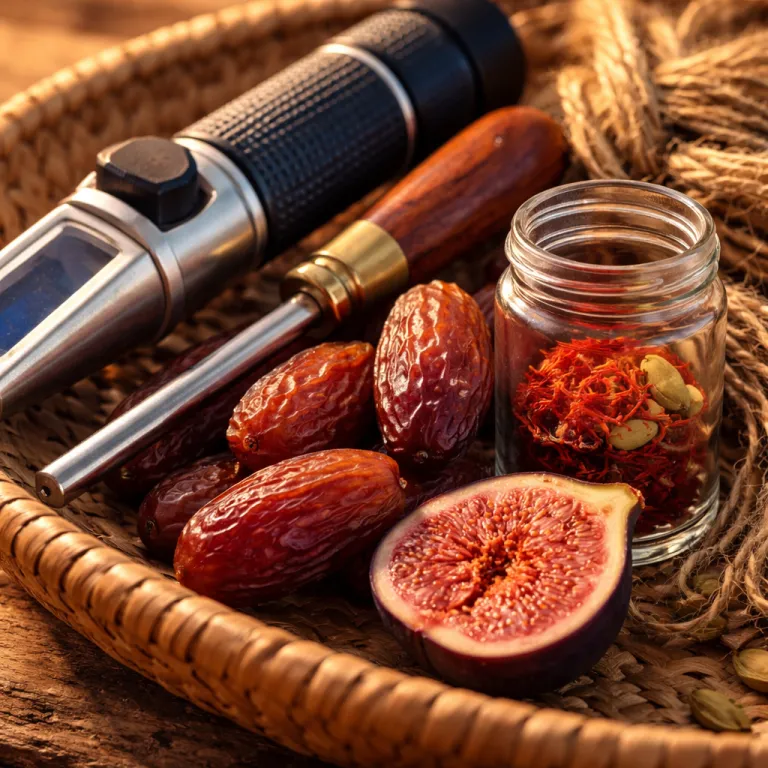
Local sourcing in Bahrain starts with what the island actually grows, not with a marketing slogan. Date palms, dairy and a modest but resilient greenhouse sector supply the ingredients that show up most authentically on sustainable luxury hotel menus in Manama and along the coast. When a hotel in Bahrain claims farm to table, you should expect dates, yoghurt, laban and seasonal vegetables to appear more often than imported berries or out of season greens.
At Sofitel Bahrain Zallaq Thalassa Sea & Spa, the thalassa sea concept and sea spa rituals sit alongside menus that increasingly reference Bahraini producers. This resort on the Bahrain Zallaq shoreline pairs its private beach and sea views with energy saving initiatives, and Sofitel’s global sustainability communications describe work on energy, water and sourcing, making the sustainable luxury hotel Bahrain conversation feel grounded rather than theoretical. When you book here, ask the team which dishes use local dates or dairy, and request a view room with a private balcony so you can appreciate how the architecture manages shade and breeze instead of relying only on air conditioning; in many cases, the hotel’s own materials reference partnerships with nearby date farms and regional dairies.
Other properties in Manama, from international names to independent addresses, are gradually following. A hotel Manama restaurant that serves a Bahraini breakfast with local cheese, honey and dates is making a more honest sustainability statement than a generic buffet with imported fruit flown in overnight. As you compare hotel offers, look beyond the gallery of the pool and spa and read how the hotel describes its sourcing, its room service menu and any partnerships with nearby farms or fisheries, then match that to your expectations for a responsible luxury stay in Bahrain; some will even name specific growers in regions such as Budaiya or Diraz, which you can then research independently through local media or producer social channels.
Four properties where sustainability moves beyond the brochure
Some addresses in Bahrain are already treating sustainability as core hospitality rather than a side project. Mövenpick Hotel Bahrain, near the airport, is listed by Green Globe as holding Platinum certification, which signals years of audited work on energy, water and waste rather than a single initiative; the hotel’s Green Globe entry details performance indicators such as energy intensity per guest night and documented waste reduction targets, and the brand’s sustainability pages echo these priorities. For a solo traveler seeking a sustainable luxury hotel in Bahrain, this kind of third party verification is a useful filter before you even choose your room category.
On Bahrain Bay, Four Seasons Hotel Bahrain Bay runs environmental programmes that touch everything from kitchen operations to landscape irrigation. The resort’s island setting, with its sweeping sea views and carefully managed pool network, makes water efficiency and desalination impact especially visible to any guest who asks the right questions. When you book, request a view room facing Manama’s skyline, then speak with the concierge about how the hotel manages its swimming pool systems, outdoor pool shading and linen policies to balance luxury with resource constraints; staff can often point you to annual sustainability reports, brand-wide environmental, social and governance (ESG) disclosures or recognised eco-certified hotel frameworks used by the group.
Further south, Sofitel Bahrain Zallaq Thalassa Sea & Spa combines a private beach, a thalassa sea spa and a strong focus on energy saving, while Raffles Al Areen Palace Bahrain offers private pool villas that rely on efficient cooling and careful water management to justify their footprint. These properties show how a sustainable luxury hotel in Bahrain can still offer a private balcony, a generous pool and refined room service without ignoring desalination realities. When planning a longer stay, use a detailed guide to refined stays in the capital, such as an insider overview of Manama’s most considered properties, to compare how each resort handles water, sourcing and guest education before you commit, and cross-check any claims against recognised certification schemes or published environmental performance data where available on brand websites or certification platforms.
Reading between the eco labels: how to spot greenwashing
Eco certified has become a comfortable phrase in Gulf marketing, but in Bahrain the paperwork can hide very different levels of effort. Ibis Seef Manama, for example, is positioned as eco certified in regional hotelier guides and on brand sustainability pages, yet the depth of its supply chain work will differ from a fully audited Green Globe Platinum property. For a traveler seeking a sustainable luxury hotel in Bahrain, the task is to separate genuine operational change from a single recycling bin in the lobby.
The highest greenwashing risk sits where claims are vague, such as a resort that mentions being green without naming a certification or explaining its water strategy. When a hotel in Manama highlights its spa, pool and private beach but never mentions desalination, greywater or energy use, you should treat the eco language as a prompt for questions rather than a guarantee. Ask staff how often the swimming pool is refilled, whether the outdoor pool uses shaded design to reduce evaporation and how the hotel manages laundry for twin beds and king beds in high occupancy periods, then note whether the answers align with recognised best practice for Bahrain’s climate and with any figures disclosed in sustainability reports.
Supply chain claims deserve the same scrutiny. If a hotel spa promotes sea spa rituals and thalassa sea treatments, ask whether the products are sourced responsibly and whether packaging is recycled. When a resort restaurant talks about local ingredients, request specifics about which farms supply the dairy, which date groves they work with and how often menus change to reflect Bahrain’s growing seasons, then decide whether that aligns with your expectations for a sustainable luxury hotel in Bahrain; credible properties will usually be able to name producers or at least regions and may reference independent audits, procurement policies or awards for responsible sourcing.
Practical questions to ask before you book your stay
Choosing a sustainable luxury hotel in Bahrain starts long before you arrive at check in. When you compare hotel offers online, look past the gallery of sea views and pool shots and read the sustainability section with a critical eye. A serious property will explain its water management, energy use and sourcing in clear language, not just in a single sentence about being eco friendly.
Begin with water, because every resort pool, hotel spa circuit and private plunge pool draws on desalinated supply. Ask whether the hotel uses greywater for irrigation, how often the swimming pool and outdoor pool are drained and what systems are in place to reduce evaporation; in a hot, humid Gulf climate, shaded pool design, covered spa circuits and leak detection can significantly cut losses. Then move to rooms and suites, checking whether the hotel offers smart climate control, linen reuse and efficient room service scheduling that avoids unnecessary laundry for twin beds and king beds during shorter stays, and ask whether any of these measures are tracked through formal eco-certified hotel programmes or internal performance dashboards.
Transport and layout matter as well. Confirm whether the hotel provides shaded parking, electric vehicle charging and thoughtful access between the lobby, beach and spa so guests walk rather than rely on constant car transfers. When a property such as a Radisson Blu or a Ritz Carlton style resort in Carlton Bahrain highlights its private beach, private balcony options and sea views, ask how those design choices reduce heat gain and support natural ventilation, then decide whether the answers match what you expect from a sustainable luxury hotel in Bahrain; you can also check whether the brand publishes building performance data or references regional green building standards in its materials and corporate responsibility reports.
FAQ
Which are the leading sustainable luxury hotels in Bahrain ?
Raffles Al Areen Palace Bahrain, Sofitel Bahrain Zallaq Thalassa Sea & Spa, Mövenpick Hotel Bahrain and Four Seasons Hotel Bahrain Bay are widely recognised for combining high end service with structured sustainability programmes. These properties invest in energy saving technologies, water conservation and responsible sourcing rather than relying only on marketing language. For travelers seeking a sustainable luxury hotel in Bahrain, they form a strong starting shortlist, and several of them appear in regional rankings of eco-conscious or eco-certified hotels in Manama and the wider kingdom, as well as in brand sustainability communications.
How can I verify a hotel’s sustainability practices in Bahrain ?
The most reliable approach is to look for recognised certifications and then ask targeted questions. As one industry guide notes, “Check for certifications like Green Globe and inquire directly with the hotel,” a principle echoed in many responsible travel resources. When you contact reservations, ask about water reuse, desalination impact, local sourcing and how the hotel manages laundry and air conditioning across all room types, and then compare those responses with any figures or commitments published in brand-level sustainability reports or third party audit summaries.
What does local sourcing usually mean for hotel menus in Bahrain ?
Local sourcing in Bahrain typically centres on dates, dairy products and greenhouse grown vegetables, because these are the island’s strongest agricultural outputs. A hotel restaurant that highlights Bahraini dates, yoghurt, laban and seasonal greens is usually making a more authentic claim than one focused on imported berries or year round asparagus. When assessing a sustainable luxury hotel in Bahrain, ask which dishes change with the local growing calendar and which suppliers the chefs work with, and look for menus or chef’s notes that reference specific farms, fisheries or cooperatives rather than generic “local produce” language.
Why is water management so critical for Bahrain’s luxury hotels ?
Bahrain relies heavily on desalination, which is energy intensive and environmentally costly, so every pool, spa and landscaped garden has a measurable impact. Hotels that reuse greywater for irrigation, shade their outdoor pool areas and manage refill cycles carefully are reducing both water and energy footprints. For guests choosing a sustainable luxury hotel in Bahrain, understanding this context helps you prioritise properties that treat water as a scarce resource rather than an endless amenity, and encourages you to ask for concrete examples of Bahrain water-efficiency measures during your stay.
Are eco certified midscale hotels in Bahrain worth considering for luxury focused travelers ?
Eco certified midscale properties such as Ibis Seef Manama can be valuable options for solo travelers who prioritise sustainability over opulence. While they may not offer the same level of spa facilities, private beach access or expansive sea views as a resort, their smaller footprint and audited practices can deliver strong environmental performance. If your definition of a sustainable luxury hotel in Bahrain leans more toward ethics than marble, these hotels deserve a close look, especially when they hold recognised eco labels or publish transparent data on energy, water and waste in brand sustainability updates.