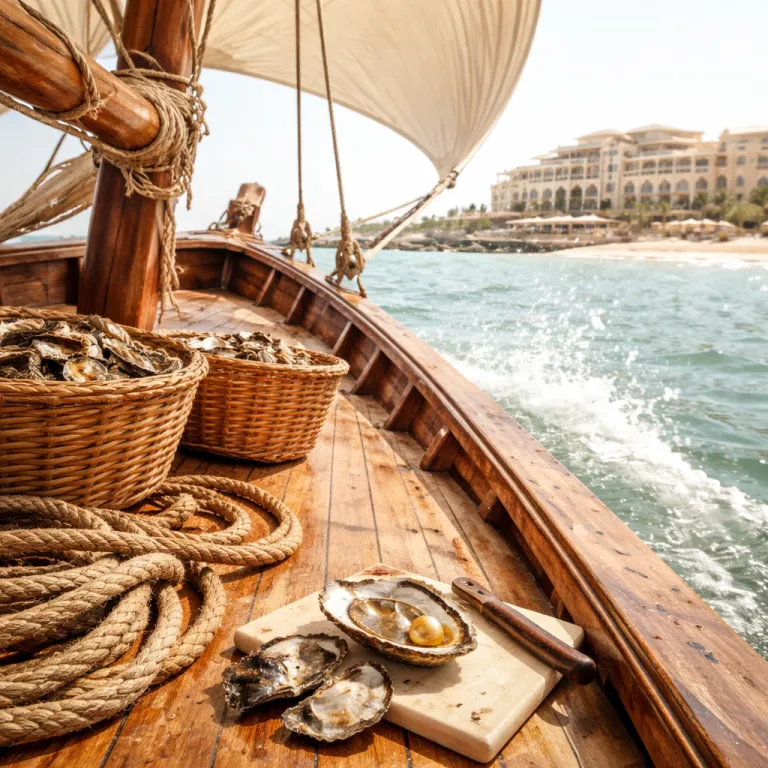
Why Bahrain is the Gulf’s serious address for pearl diving stays
Bahrain is the only island nation in the Arabian Gulf where a hotel stay can still be a gateway to a working pearling ground, not a staged lagoon. The shallow waters Arabian fishermen once worked with bare lungs now host regulated pearl diving excursions, run with licensed captains and monitored by the Bahrain Tourism and Exhibitions Authority (BTEA) for safety and heritage protection. For a traveler planning a trip, that means you can book a refined hotel and still step onto a traditional dhow at dawn, feeling the same sea breeze that carried merchants toward the wider gulf.
The core of the modern pearl diving Bahrain hotel proposition is simple yet powerful, because it connects your room key directly to a living maritime culture. You sleep in high thread count comfort, then join a small group on the pier in Muharraq, where the captain explains how oysters are still collected by hand from natural beds in clear water only a few metres deep. This is not a theme park ride; it is a carefully managed experience that lets you find your own rhythm in the sea while understanding why pearls once underwrote the entire Arabian economy.
Licensed tour operators brief guests on the history of Bahrain’s pearling era, from the old souqs to the UNESCO listed Pearling Path that links 17 restored sites in Muharraq. They outline how many oysters each diver may collect under current regulations, how the seasons shape visibility and water temperature, and why the spirit of the trade still matters to island families. For solo travelers, this context turns a simple booked trip into an unforgettable immersion in the waters Arabian sailors navigated long before oil reshaped the gulf. As one recent guest told a local guide after a morning at sea, “I came for a luxury hotel and left feeling I’d stepped into my grandfather’s stories.”
What a real pearl diving day from your hotel looks like
A serious pearl diving Bahrain hotel will arrange your day with an almost ritual precision, starting with a pre departure briefing either in the lobby or at the Muharraq marina. You meet the licensed équipe, sign the safety forms, check snorkel or scuba equipment, then board a wooden dhow that feels reassuringly workmanlike rather than theatrical. As the boat noses out into the Arabian Gulf, the water shifts from harbour green to a clear turquoise that hints at the natural oyster beds below.
The first hour is about acclimatising to the sea and the gear, with instructors explaining how to equalise, how to signal underwater, and how to handle oysters without damaging the shells or the tiny pearls they might hold. Bahrain’s official pearl diving rules set a strict maximum number of oysters per person to protect the seabed, so each descent becomes a measured search rather than a frantic grab, and you quickly understand why traditional diving demanded both stamina and calm. Between sessions, you rest on deck, sip water or Arabic coffee, and listen as the captain threads stories of pearling history through the sound of waves against the hull.
After several dives in waters Arabian fishermen have known for generations, the dhow turns back toward Muharraq and the mood shifts from exertion to anticipation. On shore or on deck, depending on the operator, you sit with a small tray and begin opening oysters one by one, fingers slick with sea brine as you search for the soft gleam of natural pearls. Any pearls you find are yours to keep under the current BTEA programme, and that small, luminous bead in your palm is the moment your trip stops being theoretical and becomes something quietly unforgettable. Many guests describe this as the instant the hotel stay and the heritage story finally fuse.
The hotels that truly deliver a pearl diving Bahrain hotel experience
Not every luxury property in Bahrain can honestly claim to be a pearl diving Bahrain hotel, even if the brochure leans heavily on maritime imagery. The difference lies in formal partnerships with licensed tour operators and the Bahrain Tourism and Exhibitions Authority, which ensure that every diving experience respects both safety standards and cultural protocols. When you book, ask directly whether the hotel works with BTEA approved captains departing from Saada jetty or Bu Maher Fort in Muharraq, and whether staff can secure confirmed slots for solo guests.
Top tier hotels that take this seriously usually offer curated packages that bundle your room, transfers to the pier, and at least one guided pearl diving sortie with snorkelling or scuba options. The base rate often covers equipment, water on board, and the oyster opening session, while extras such as private photography, upgraded wetsuits, or post dive spa treatments are billed separately. This is where a specialist booking platform or dedicated concierge desk becomes useful, because it filters properties by real marine partnerships rather than vague references to the sea or generic gulf excursions.
When comparing options, look beyond the headline promise of pearls and focus on operational detail. Does the concierge understand the seasons for comfortable water temperatures, and can they explain how conditions shift around Ramadan when local rhythms change and some operators reduce departures? Are there clear policies for solo travelers, including minimum numbers to run a trip and whether you can book a single place on a mixed group dhow in the waters Arabian captains favour for calmer swells? These specifics separate marketing from meaningful experience. Before you confirm, ask your hotel or booking platform to share the exact name of the licensed operator handling your trip so you can verify that it appears on current BTEA guidance.
Timing your stay: seasons, water conditions and cultural rhythm
Choosing when to book a pearl diving Bahrain hotel stay is as important as choosing the property itself. The island’s climate shapes sea conditions, and the shallow banks of the Arabian Gulf can feel very different from one month to the next, even when the sky looks identically blue from your infinity pool. For most travelers, the sweet spot is the shoulder period when the water is warm enough for long dives yet still cool enough that visibility remains high and the oysters are not stressed by peak heat.
Operators often suggest that guests aim their trip for late spring or early autumn, when the waters Arabian fishermen favour sit at a comfortable temperature for both snorkelling and scuba. During these seasons, you can spend several hours in the sea without fatigue, making the experience more relaxed and giving you a better chance to find oysters in natural clusters rather than scattered across the seabed. Around Ramadan, schedules may shift, with some dhows departing earlier or later to respect fasting hours, so it is wise to book trip dates with this cultural rhythm in mind.
Because departures run year round, last minute planners sometimes assume they can simply book on arrival, but serious pearl diving slots are limited by regulation and by the number of licensed guides. If your Bahrain stay is short, secure your place before you fly, especially if you are a solo traveler relying on mixed group departures rather than a private charter. That way, your hotel can align spa appointments, restaurant reservations, and even poolside relaxation around the exact hours you will be out at sea, turning logistics into part of the pleasure rather than a source of stress. When you reserve your room, use the booking notes or a quick follow up message to request a pearl diving place on your preferred dates so the concierge can coordinate directly with approved operators.
Practical guidance for solo travelers booking a pearl focused hotel stay
Traveling alone to Bahrain with pearl diving in mind demands a little more planning, but the payoff is a deeply personal connection to the sea. Some operators require a minimum of two guests to run a dhow, while others welcome single bookings and simply group you with other travelers who share the same curiosity about oysters and pearls. When you contact a pearl diving Bahrain hotel, be explicit that you are solo and ask which partners are most flexible about numbers in the waters Arabian captains use for standard routes.
From a packing perspective, think in layers rather than bulk, because the Arabian Gulf sun can be fierce on deck even when the water feels cool. A long sleeved rash guard, reef safe sunscreen, and a light scarf or cap will make surface intervals more comfortable, while closed heel sandals help when stepping from pier to dhow and back through shallow sea wash. Your hotel can usually arrange secure storage for valuables, so you only carry essentials such as ID, a waterproof pouch for your phone, and perhaps a small notebook if you like to record history snippets shared by the crew.
Finally, treat the pearl diving day as the quiet centrepiece of your trip, not just another excursion slotted between brunches. Build in time before and after to walk Muharraq’s restored lanes, where the spirit of the old trade lingers in coral stone houses and shaded courtyards linked to the Pearling Path heritage project. As Bahrain Tourism and Exhibitions Authority and its licensed tour operators emphasise to guests, “Book in advance. Check operator credentials. Follow safety guidelines.” When you confirm your hotel, use the same checklist: reserve early, verify that your chosen property works with BTEA recognised partners, and keep your booking reference handy so staff can match you to the right dhow.
FAQ
Do I need a diving license to join a pearl diving trip?
You do not need a diving license if you choose a snorkelling based pearl diving experience, because these outings stay in relatively shallow water and include full instruction. A valid scuba certification is required if you want to use tanks and descend deeper with the guide. When you book your Bahrain hotel, specify your level so the concierge can match you with the appropriate operator in the Arabian Gulf.
Can I keep the pearls I find during the dive?
Yes, one of the defining features of Bahrain’s regulated pearl diving programme is that guests may keep any natural pearls they find inside the oysters they are allowed to collect. There is a strict limit on the number of oysters per person to protect the sea beds, but within that quota the pearls are yours. Many hotels can recommend reputable jewellers who will mount your pearl after the trip, turning it into a tangible memory of the waters Arabian sailors once worked for a living.
How long does a typical pearl diving excursion last from hotel pickup to return?
Most standard outings run for several hours door to door, including transfers from your pearl diving Bahrain hotel to the Muharraq departure point, safety briefing, boat ride, multiple dives, and the oyster opening session. Time in the water usually totals around one to two hours, broken into shorter dives with rest periods on deck. Your concierge or operator will confirm exact timings so you can plan spa treatments or evening reservations around the sea schedule.
Where do pearl diving boats usually depart, and how far is that from main hotels?
Licensed dhows typically leave from Saada jetty or near Bu Maher Fort in Muharraq, both within easy driving distance of major luxury hotels in Manama and on nearby islands. Transfer times are often between fifteen and thirty minutes depending on traffic, and many properties include private car service in their pearl diving packages. This proximity means you can enjoy a leisurely breakfast, head out to the Arabian Gulf, and still be back in time for a late lunch by the pool.
Is pearl diving in Bahrain suitable for first time visitors who are not strong swimmers?
Many operators design their experiences for beginners, offering life vests, close supervision, and the option to stay on the boat if you ever feel uncomfortable in the water. Being a confident swimmer certainly enhances your enjoyment, but it is not mandatory for basic snorkelling based trips in calm, shallow areas of the Arabian Gulf. If you are nervous, speak honestly with both your hotel concierge and the crew during the briefing so they can adapt the experience and keep your day both safe and unforgettable.
